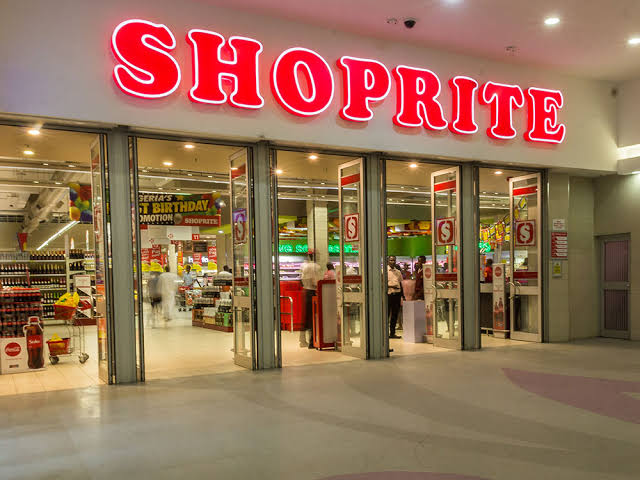

Shoprite Nigeria is considering smaller standalone neighbourhood stores as part of efforts to cut operating costs and revive its retail business after years of financial pressure.
The proposed shift would allow the supermarket chain to serve customers closer to their homes instead of relying heavily on large outlets in shopping malls, where high rents, electricity bills and diesel expenses have increased the cost of doing business.
Adekunle Adebiyi, executive director of investments at MBO Capital Management, disclosed the plan in an interview on the Drinks and Mics programme, according to a report published by KanyiDaily on October 24, 2026.
Adebiyi said the company had not determined the number of neighbourhood stores it would open, their locations or the timeline for the rollout.
The strategy represents a potential change for a retailer whose Nigerian expansion was closely associated with large shopping centres. However, the company is not abandoning the mall format entirely, as it has also pursued plans to reopen outlets at The Palms Shopping Mall and Circle Mall in Lagos.
The proposed neighbourhood format is part of a broader effort to make the business more financially sustainable in Nigeria’s challenging operating environment.
Adebiyi attributed some of Shoprite’s difficulties to foreign exchange volatility and expensive rental agreements. According to the report, 17 of the 28 stores operated at the time of the acquisition had rents denominated in US dollars, exposing the business to rising occupancy costs as the naira weakened.
He said rent should typically account for about 8% to 10% of a supermarket’s revenue, but some Shoprite locations reportedly faced rental costs exceeding half of their revenue.
The retailer also encountered inventory management problems and the costly replacement of its enterprise resource planning system, which had previously supported operations under its former South African parent company.
Adebiyi said the company’s asset-light business model also created difficulties in securing conventional bank financing because it had limited property assets to offer as collateral.
Smaller stores could help reduce these pressures by allowing Shoprite to operate from less expensive premises without committing substantial capital to property ownership. Lower occupancy and energy costs could improve profitability, although the outcome would depend on sales volumes, stock availability and effective cost management.
The move would also intensify competition with Nigerian retailers that have expanded through neighbourhood-focused formats.
Chains such as Justrite, Jendol, Bokku and The Prince have increasingly positioned their stores closer to residential communities, targeting shoppers who want convenient access to groceries and everyday household goods.
The competition comes as consumers remain sensitive to prices and retailers face pressure to offer affordable products while managing higher operating expenses.
In a statement published on September 20, 2025, Retail Supermarkets Nigeria Limited (RSNL), the Nigerian operator of the Shoprite franchise, announced a business model reset focused on smaller, more efficient store formats, stronger local supply chains, affordability and improved liquidity management.
The company said more than 80% of its products would be sourced locally as part of efforts to reduce reliance on imports and build a more resilient business.
RSNL also stressed that its restructuring was intended to stabilise operations rather than signal an exit from Nigeria.
Shoprite’s neighbourhood-store proposal therefore represents another step in its attempt to adapt to local economic conditions. Whether the strategy can restore its competitiveness will depend on the company’s ability to lower costs, maintain reliable supplies and offer prices that attract increasingly cost-conscious Nigerian shoppers.