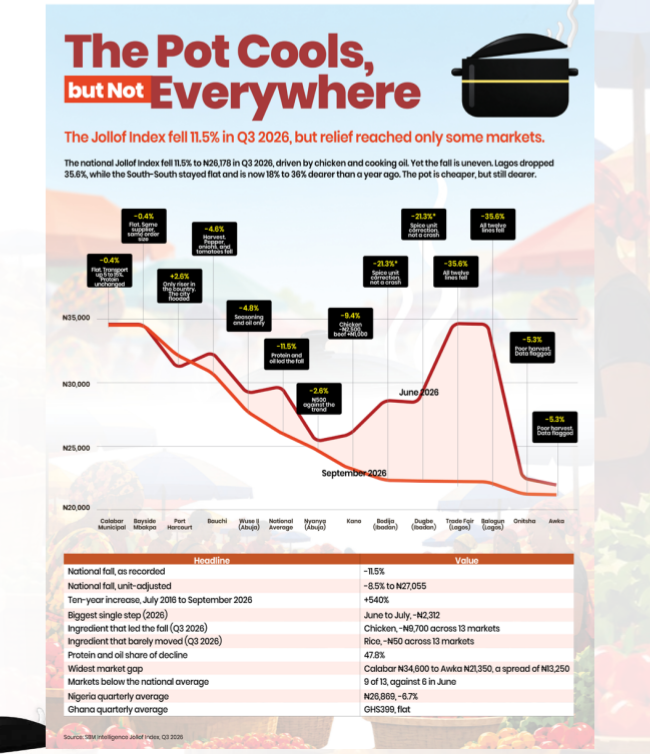

The cost of preparing a pot of jollof rice in Nigeria fell between June and September 2026, but rising transport expenses, fuel prices and seasonal pressures could reverse the gains, according to SBM Intelligence’s Q3 2026 Jollof Index.
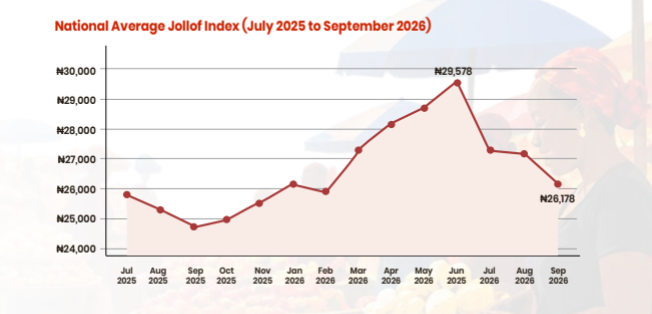
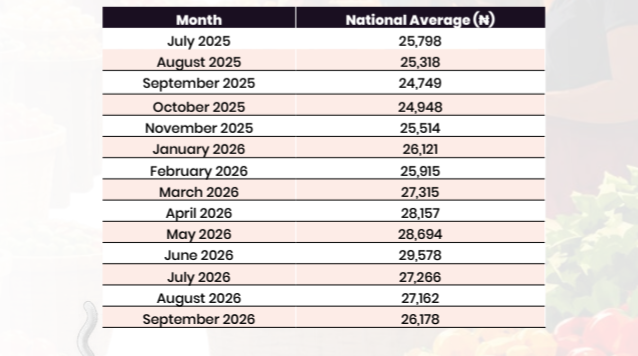
The report puts the national average cost at ₦26,178 in September, down 11.5 per cent from ₦29,578 in June. However, an error in the recording of curry and thyme prices in Ibadan overstated the decline. After adjusting for the error, the quarterly reduction was 8.5 per cent, with the September average estimated at about ₦27,055. The decline was driven mainly by lower prices for chicken and vegetable oil, alongside improved food supplies. The report recorded a combined price reduction of ₦9,700 for chicken across the markets surveyed, while vegetable oil fell by ₦7,350 and beef by ₦4,100.
Lower maize based feed costs, the reopening of poultry farms and improved availability of day old chicks helped increase domestic chicken supplies. However, the report suggests that the gains remain vulnerable to changes in production costs, supply conditions and consumer demand. The relief also varied across locations. Onitsha and Awka recorded the lowest cost of preparing jollof rice at ₦21,350, while Calabar Municipal had the highest at ₦34,600. Port Harcourt was the only market reported to have recorded an increase, with its index rising from ₦31,200 in June to ₦32,000 in September.
The report linked the increase in Port Harcourt to flooding that disrupted roads and affected farms, including poultry and fish operations. In Lagos, the index fell from ₦34,700 to ₦22,350, although much of the decline reflected a correction after unusually high prices earlier in the year rather than a consistent downward trend.
In an interview with Business Times, Veronica Igube, an analyst at SBM Intelligence, identified higher fuel prices, rising transportation costs, festive demand, weather disruptions, insecurity and exchange rate movements as factors that could push food prices up again. Fuel costs remain a major concern. Traders in six markets identified fuel as an important determinant of food prices. One trader warned that petrol prices approaching ₦1,500 per litre could increase distribution expenses and put renewed pressure on market prices.
Transportation costs are already rising in most of the markets surveyed. Seven of the eight markets recorded increases, reflecting expenses such as poor road conditions, vehicle maintenance, loading charges and informal payments at checkpoints. These costs can prevent reductions in prices at the farm level from translating into cheaper food for consumers. Igube cautioned against interpreting the latest decline as evidence of a lasting improvement in food affordability.
“The Q3 decline is a welcome development, but the evidence does not yet establish a durable downward trend,” she said. The report’s assessment, she added, was that “a pause in food price increases is more likely than a sustained reversal of the longer term trend.”
Seasonal pressures could also weaken the gains as supply conditions change and demand rises towards December. Flooding and insecurity may disrupt production and transportation, while exchange rate volatility and higher import costs could increase the prices of vegetable oil, rice and other imported inputs. For households, lower food prices do not automatically mean improved purchasing power. Rent, school fees, transportation and electricity continue to compete for limited incomes, leaving many families struggling to afford basic meals even when some food prices decline.
“The real test is not whether the national index falls for one quarter, but whether food becomes consistently more affordable relative to income,” Igube said.
She urged policymakers to reduce the cost of moving food from farms to markets, improve storage and transport infrastructure, curb informal road charges and strengthen domestic agricultural supply chains.
The Q3 figures show that improved supplies can ease food costs, but they do not yet establish a sustained decline. Without lasting improvements in production, storage and distribution, the relief may prove temporary for households already under pressure from the cost of living.