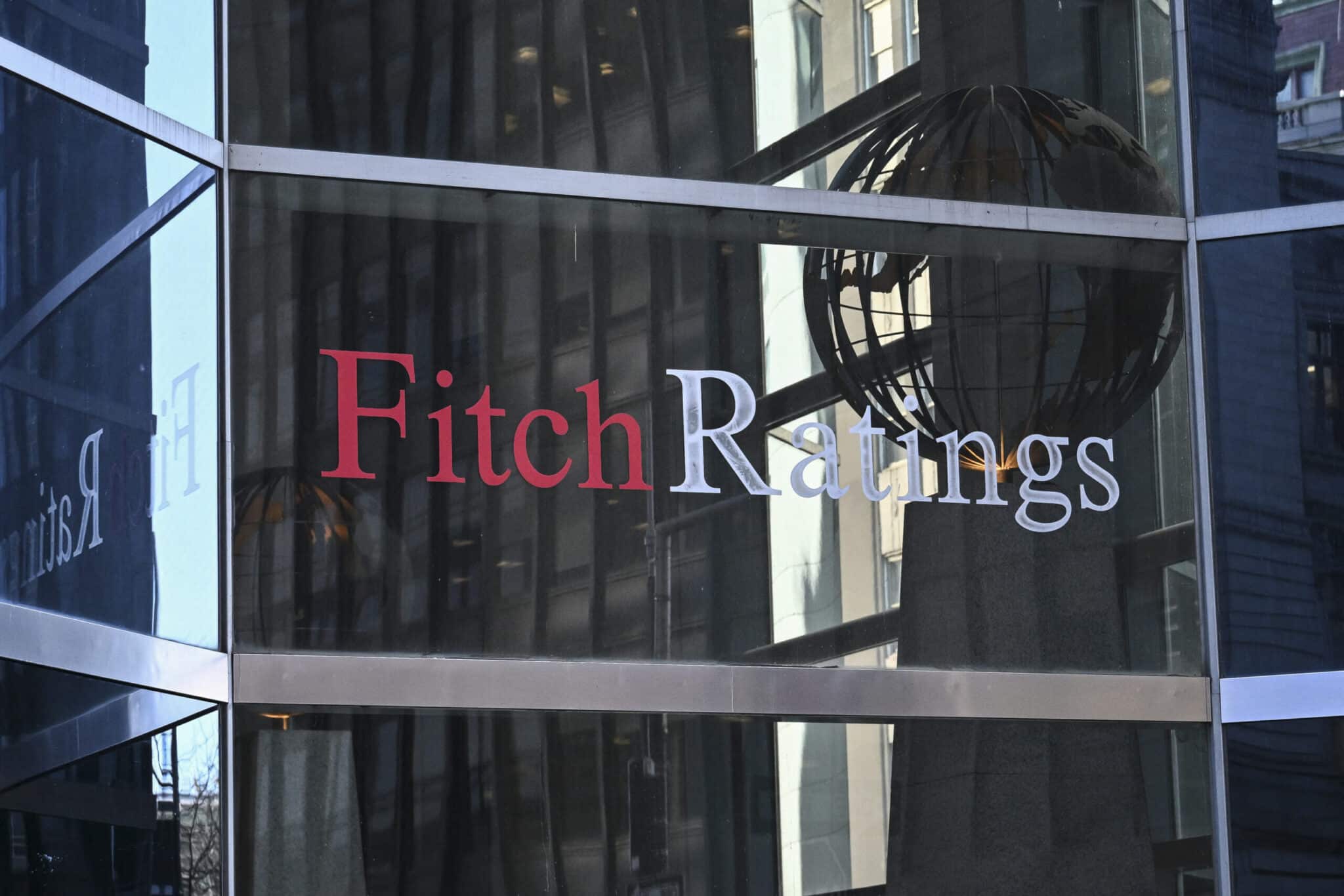

Fitch Ratings has revised Nigeria’s credit outlook from Stable to Positive while affirming the country’s long-term issuer default rating at ‘B’, citing stronger foreign exchange reserves, greater exchange-rate flexibility and progress in economic reforms.
The rating action was announced on Friday, October 9, 2026, with the Federal Government welcoming the decision as a sign of growing confidence in Nigeria’s economic policy direction.
According to a report published by Nairametrics on October 10, 2026, Fitch attributed the improved outlook to reforms that have supported foreign exchange reserve accumulation, easing inflationary pressures and greater resilience to external shocks.
Nigeria’s gross foreign exchange reserves stood at $54.9 billion as of September 25, 2026, up from $32 billion in mid-April 2024. Fitch attributed the increase to stronger portfolio investment inflows, export earnings, remittances and increased formalisation of foreign exchange transactions.
The agency projected a current account surplus of 6.4% of gross domestic product in 2026, reflecting improvements in the country’s external position.
Fitch also forecast that Nigeria’s real gross domestic product would grow by 4.3% in 2026, compared with 4% in 2025. Average inflation is projected at 15.4% in 2026, although price pressures remain a concern for households and businesses.
The agency highlighted improvements in the oil sector, noting that crude oil production had met Nigeria’s OPEC target of 1.5 million barrels per day since May 2026. Increased domestic refining capacity, including operations at the Dangote Petroleum Refinery, is also helping to reduce dependence on imported refined petroleum products and ease demand for foreign exchange.
Despite the improved outlook, Fitch identified significant fiscal and structural challenges that continue to constrain Nigeria’s credit profile.
The agency expects the general government interest-to-revenue ratio to average 27% between 2026 and 2028, compared with a median of 14% for countries rated ‘B’. High debt-servicing costs leave the government with less revenue available for infrastructure, public services and other spending priorities.
Weak government revenue mobilisation, elevated inflation and governance challenges also remain concerns.
In a statement reported by Nigerian media on October 10, 2026, Finance Minister Taiwo Oyedele welcomed the rating action, describing it as recognition of the government’s reform programme under President Bola Tinubu. He said the administration remained committed to achieving investment-grade credit status over the medium term to lower borrowing costs and attract private investment.
Fitch’s decision follows other positive rating actions on Nigeria in 2026. S&P Global Ratings upgraded the country’s rating from ‘B-’ to ‘B’ in May, while Moody’s Ratings revised its outlook on Nigeria to Positive from Stable in August.
However, Fitch’s latest decision does not constitute an immediate credit-rating upgrade. Nigeria’s rating remains at ‘B’, and a future upgrade will depend on sustained economic reforms, continued disinflation, stronger external reserves and improved revenue generation.
The outlook could deteriorate if policy credibility weakens, foreign exchange pressures return or fiscal conditions worsen.
The latest assessment therefore signals improved confidence in Nigeria’s economic direction while highlighting the need to translate macroeconomic gains into stronger public finances and sustainable growth.