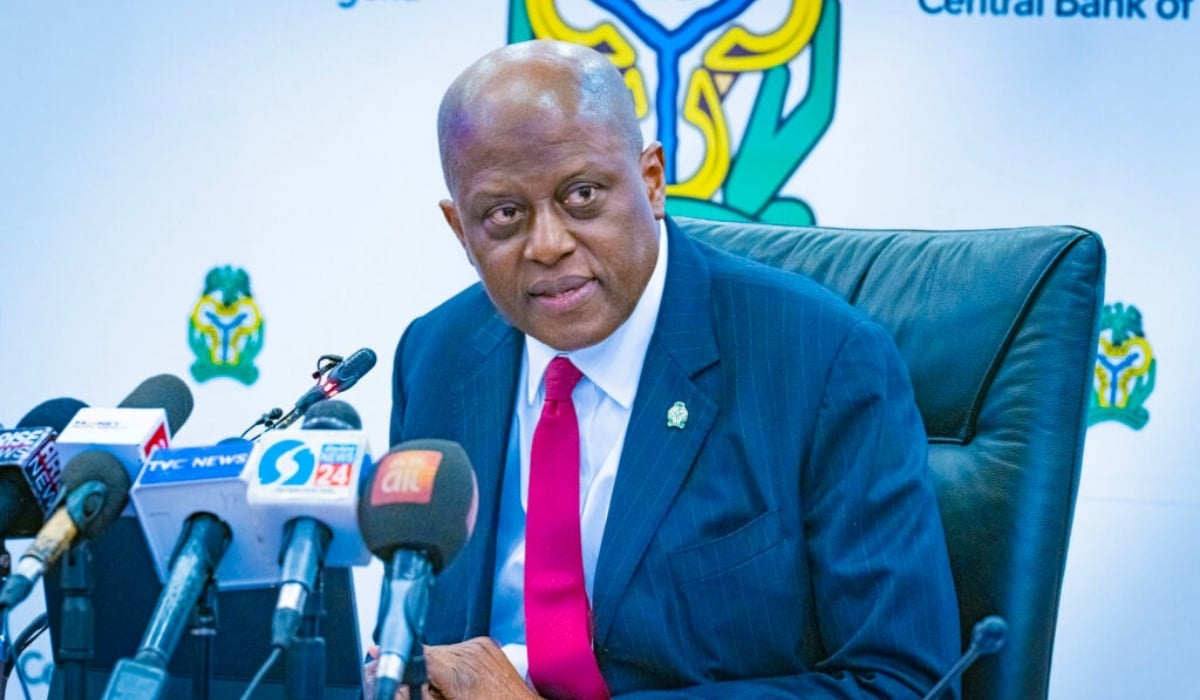

Nigeria’s gross foreign exchange reserves rose to $55.25 billion as of September 18, 2026, the highest level in 18 years, providing the country with about 11.3 months of import cover for goods and services, the Central Bank of Nigeria (CBN) has said.
CBN Governor Olayemi Cardoso disclosed the figure on September 22, 2026, while briefing journalists after the 307th meeting of the Monetary Policy Committee (MPC) in Abuja.
According to the CBN’s September 22, 2026 MPC communiqué, the reserve position reflected stronger external-sector fundamentals, including an improvement in Nigeria’s balance of payments and current account.
The CBN said Nigeria’s current account surplus increased from $4.49 billion in the first quarter of 2026 to $7.54 billion in the second quarter, representing a 67.92% increase. The balance of payments surplus also rose from $2.38 billion in the first quarter to $3.51 billion in the second quarter.
Cardoso also attributed part of the improvement in Nigeria’s external buffers to stronger diaspora remittances.
Speaking at the September 22 MPC briefing, the CBN governor said remittances had played an important role in rebuilding the country’s foreign exchange buffers. He said monthly formal remittance inflows had risen substantially from levels of about $200 million when the CBN began its efforts to deepen inflows through formal channels.
A September 22, 2026 report by BusinessFront, citing Cardoso’s remarks, said monthly remittance inflows had reached about $947 million in July 2026, bringing them close to the CBN’s $1 billion monthly target.
The CBN has also linked improved foreign exchange stability to reforms in the FX market. Cardoso said on September 22 that the previous system, which operated with multiple exchange rates, had created significant distortions, while subsequent reforms had helped close the gap between different rates.
The stronger reserve position comes as pressure in the foreign exchange market has eased. According to the CBN’s September 22 communiqué, the improvement in the external position had contributed to greater stability in the FX market and stronger investor confidence.
The reserve milestone also coincided with a major adjustment to monetary policy.
At its September 21–22, 2026 meeting, the MPC reset the Monetary Policy Rate from 26.5% to 23%, while changing the Standing Facilities Corridor to +50/-300 basis points around the MPR. The CBN said in its communiqué that the move was an operational realignment designed to strengthen monetary-policy transmission and should not be interpreted as a change in its underlying policy stance.
With reserves now above $55 billion, Nigeria has a larger external buffer against foreign exchange pressures and external payment obligations. However, the figure represents gross reserves and should not be interpreted as money that is entirely available for direct intervention in the FX market.
The CBN’s latest data therefore point to a stronger external position, supported by higher reserves, improved current-account and balance-of-payments positions, increased formal remittances and greater FX-market stability.