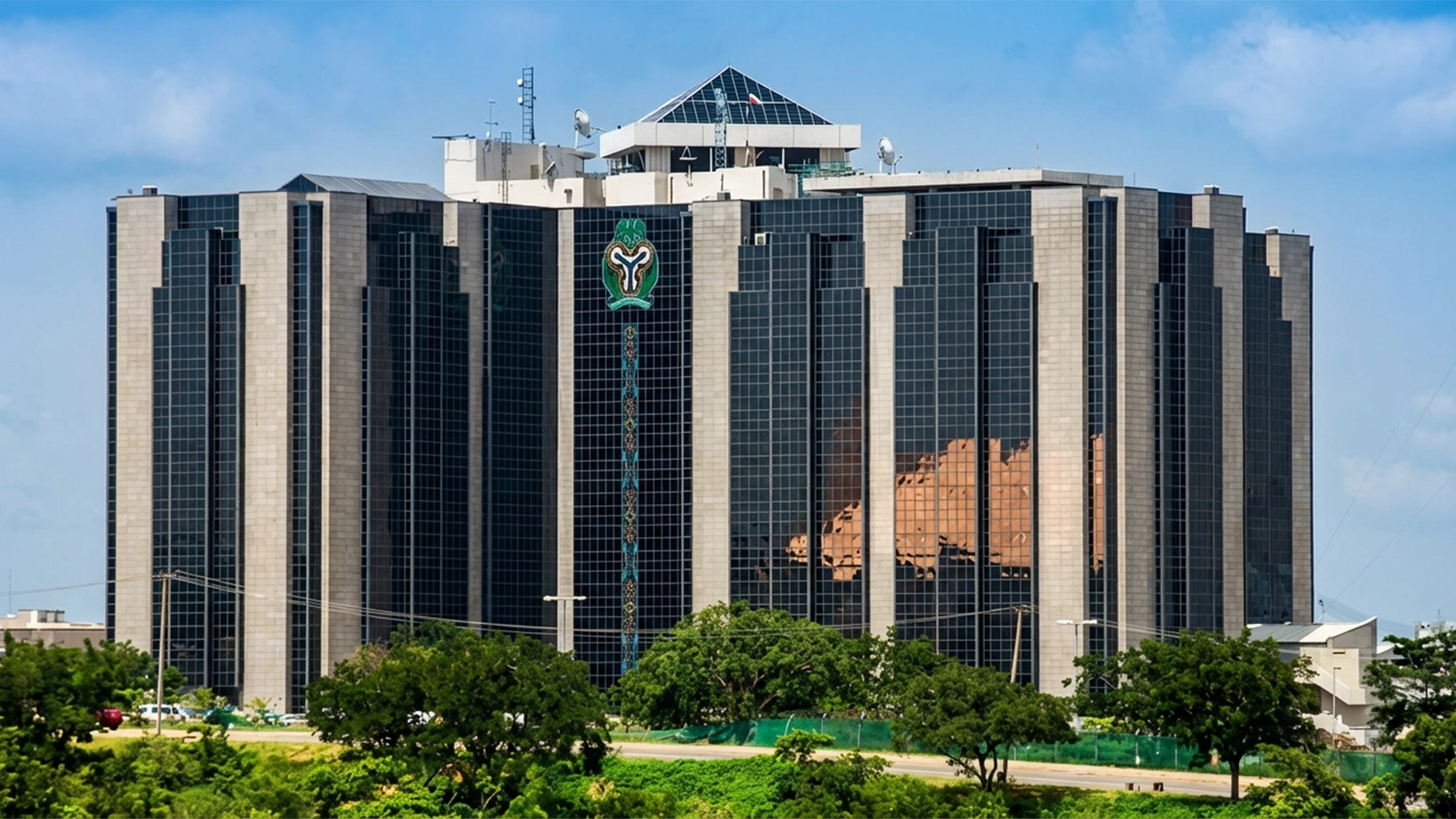

The Central Bank of Nigeria has cut its benchmark interest rate by 350 basis points to 23%, giving businesses and other borrowers a potential boost while introducing fresh questions about capital flows, the naira and financial stability.
CBN Governor Olayemi Cardoso announced the decision on Tuesday, September 22, 2026, at the end of the Monetary Policy Committee’s 307th meeting in Abuja. The new rate is down from 26.5%, which the MPC had retained at its May and July 2026 meetings.
The CBN also recalibrated its standing facilities corridor to +50/-300 basis points around the new Monetary Policy Rate, while retaining the Cash Reserve Requirement at 45% for deposit money banks, 16% for merchant banks and 75% for non-Treasury Single Account public-sector deposits.
The reduction could eventually lower the cost of credit if commercial banks transmit the change to borrowers. However, Cardoso said on September 22, 2026 that the decision should not be interpreted simply as a shift to monetary easing, describing it instead as an operational reset aimed at restoring the MPR as an effective signal for market interest rates.
For businesses, cheaper credit could reduce financing pressures and support investment and working capital. But the Lagos Chamber of Commerce and Industry President, Leye Kupoluyi, told The PUNCH on September 22, 2026 that banks would still need to reduce lending risks for the lower policy rate to translate into significantly cheaper business loans.
The rate cut also comes as Nigeria’s inflation and external position show signs of improvement. The National Bureau of Statistics reported on September 15, 2026, that headline inflation eased to 15.39% in August from 15.43% in July.
According to The PUNCH on September 23, Cardoso said Nigeria’s gross external reserves had reached $55.25 billion as of September 18, 2026, while the second-quarter balance of payments recorded a $3.51 billion surplus.
However, The Guardian reported on September 23, 2026, that the size of the rate reduction could narrow Nigeria’s interest-rate advantage and put recent gains in foreign-exchange stability and foreign portfolio investment under fresh pressure. Lower domestic yields can make naira-denominated assets less attractive to some foreign investors, potentially affecting capital flows.
The Guardian also reported that cheaper money could increase demand for financial and property assets, raising concerns about asset-price bubbles if liquidity grows faster than productive investment.
The CBN therefore faces a delicate period: ensuring the rate reset improves monetary-policy transmission and credit conditions without undermining the inflation, foreign-exchange and external-reserve improvements recorded in recent months.
For borrowers, the immediate question is whether commercial banks will pass the lower benchmark rate through to actual lending rates. For investors, attention will shift to inflation, foreign-exchange stability, portfolio flows and liquidity as the impact of the September 22 decision becomes clearer.