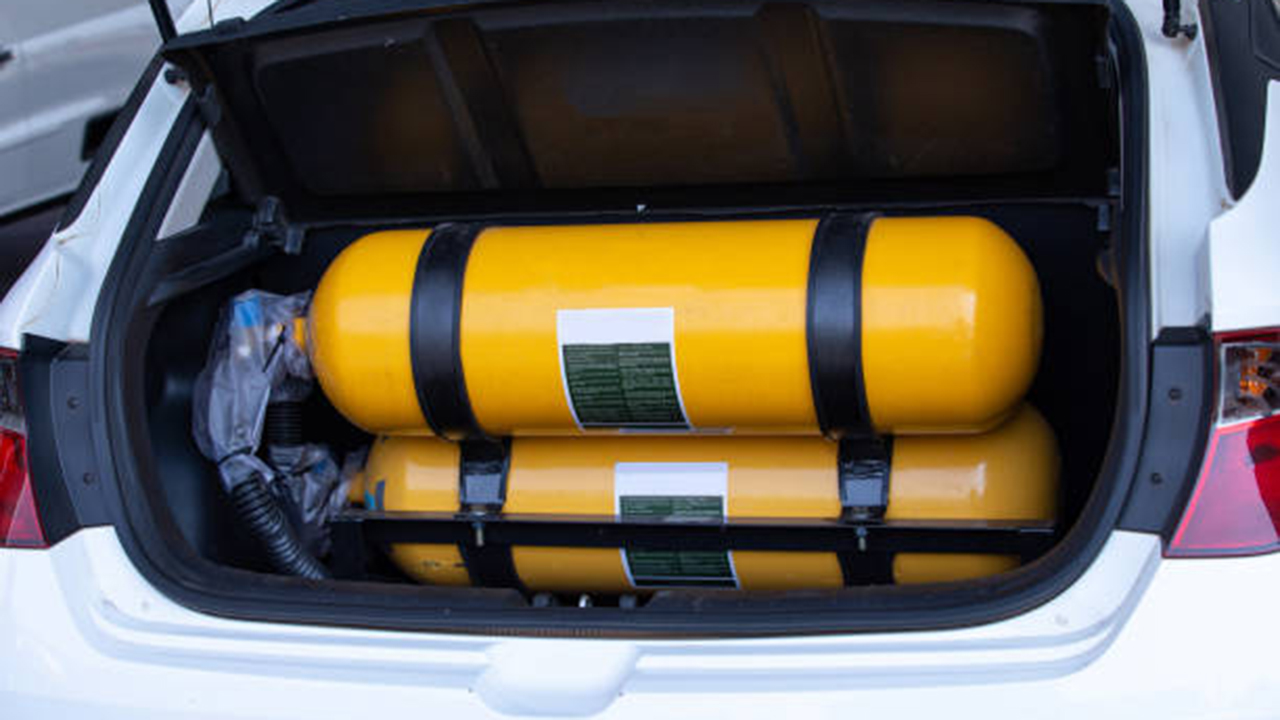

Nigeria’s push to convert petrol-powered vehicles to compressed natural gas (CNG) is creating a new mechanic economy around vehicle conversion kits, installation, diagnostics and maintenance, giving automotive technicians a growing source of income as motorists seek cheaper alternatives to petrol.
The Presidential Initiative on Compressed Natural Gas and Electric Vehicles (Pi-CNG & EV) said in 2026 that its programme had trained more than 7,700 CNG auto-technicians and supported the conversion of more than 120,000 vehicles. The initiative also lists more than 400 certified conversion centres nationwide.
The business opportunity extends beyond the initial installation. Mechanics can earn from system checks, fault diagnosis, calibration, servicing and replacement of CNG components as the number of converted vehicles increases.
The government has been building the regulatory framework alongside the market. On March 14, 2024, the Standards Organisation of Nigeria (SON) said it had approved 80 standards covering areas including CNG conversion kits, electrical connections, vehicle diagnostics, roadworthiness, vehicle safety, storage vessels and refuelling stations.
The National Automotive Design and Development Council (NADDC) subsequently moved to establish accreditation requirements for workshops carrying out CNG conversions. Its published materials include guidelines covering certification and registration of auto garages and workshops and the procurement of CNG conversion kits.
Training has also expanded. On March 19, 2026, BusinessDay reported that 500 youths had completed CNG and autogas conversion training sponsored by the Niger Delta Development Commission (NDDC) in Uyo, Akwa Ibom State.
The expansion comes with a safety challenge. CNG is stored under high pressure, making proper equipment, installation and technician competence essential. SON has continued to emphasise safety and standardisation in Nigeria’s expanding gas sector, including through a partnership announced on February 24, 2026 with Ibile Oil and Gas Corporation.
For Nigeria’s mechanics, the CNG transition is therefore becoming more than a fuel story. It is creating a specialised automotive services market where training, accreditation and compliance could determine who captures the next wave of demand.