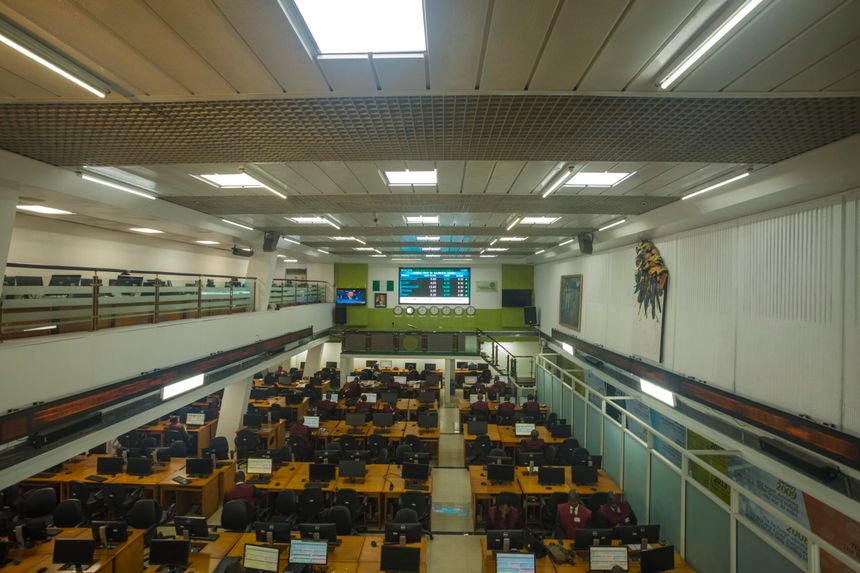

Nigeria is set to return to FTSE Russell’s frontier market status on September 21, a move expected to improve the country’s visibility among global investors and create fresh opportunities for capital inflows. The reclassification follows FTSE Russell’s further assessment of Nigeria’s equity market, particularly concerns surrounding the country’s transition from a T+2 to T+1 settlement cycle.
FTSE Russell had initially announced Nigeria’s return to the frontier market category but suspended the implementation after concerns that the shorter settlement period could create operational and funding challenges for international investors. Following further engagements with Nigerian market authorities and participants, FTSE Russell concluded that the transition to T+1 had not created material settlement, operational or funding problems. The reclassification will take effect from the market open on September 21.
For Nigeria’s capital market, the return is significant because market classification can influence how international investors assess and allocate capital.
Akinifesi Folake, a market analyst, said the reclassification could put Nigeria back on the radar of foreign investors.
“It could attract more foreign investors and capital by putting Nigeria back on the global investment radar,” Folake said.
She added that increased foreign participation could improve market liquidity, boost investor confidence and give Nigerian companies greater access to international funding. However, Nigeria’s return to the frontier category should not be treated as an automatic increase in foreign investment. The classification improves the country’s visibility and signals progress in market accessibility, but investors will still consider the wider economic environment before committing capital. The country’s previous removal from the FTSE Russell classification was largely linked to difficulties foreign investors faced in accessing foreign exchange and repatriating their funds.
Persistent dollar shortages and delays in moving investment proceeds out of the country made the market less accessible to international investors. Folake explained the challenge simply: “Investors could enter Nigeria, but getting their money out became too difficult.”
The issue remains important even with the latest reclassification. Foreign investors will continue to watch the foreign exchange market, particularly the stability of the naira and their ability to move capital into and out of Nigeria without significant delays. The adoption of T+1, meanwhile, represents an important improvement in market infrastructure. Under the system, equity transactions are settled one business day after the trade, compared with two business days under the previous T+2 system. The change brings Nigeria closer to global market practices while helping to reduce settlement risks.
According to Folake, T+1 has made Nigeria’s market “faster and safer”, allowing foreign investors to receive funds or securities sooner.
She said the system reduces settlement risk and brings Nigeria closer to global market standards, making the market more attractive to international investors. The successful transition is particularly important because concerns over T+1 had temporarily delayed Nigeria’s return to the FTSE Russell frontier category.
The latest decision suggests those concerns have now been sufficiently addressed. But the wider investment environment remains a more difficult test. Nigeria continues to face challenges including naira volatility, inflation and policy uncertainty. These factors can influence investors’ willingness to commit long term capital, regardless of the country’s market classification.
Folake identified these as some of the biggest hurdles Nigeria must address.
“The biggest hurdles are naira volatility, policy uncertainty, inflation, and concerns about moving money in and out of the country,” she said.
If these problems persist, she warned, investors could remain cautious despite the reforms taking place in the capital market. This makes the government’s next steps important. The return to frontier market status creates an opportunity, but Nigeria must demonstrate that it can sustain the reforms that made the reclassification possible. Folake said the government and financial market regulators should maintain stable policies, strengthen investor protection, improve access to foreign exchange and deepen market liquidity.
“Most importantly, reforms must be consistent so global investors can trust Nigeria’s market for the long term,” she said.
Policy consistency will be critical. International investors are unlikely to base long term decisions solely on Nigeria’s FTSE Russell classification. They will also assess whether economic policies remain predictable, foreign exchange is accessible and they can enter and exit the market efficiently. The reclassification should therefore be viewed as a gateway rather than an end point.
Nigeria has spent recent years addressing some of the weaknesses that pushed international investors away. The adoption of T+1 settlement and the return to the FTSE Russell frontier category are important steps, but their benefits will depend on broader economic stability. A deeper and more liquid capital market could provide Nigerian companies with greater access to funding while creating more opportunities for international investors to participate in the economy. But maintaining investor confidence will require more than a new classification.
Nigeria’s return to the frontier market category is a positive signal for the capital market. The real test will be whether the country can convert improved global visibility into sustained investment. For now, the door to international capital is opening again. Keeping it open will depend on policy consistency, stronger market infrastructure, foreign exchange stability and investors’ confidence in Nigeria’s ability to sustain its reforms.