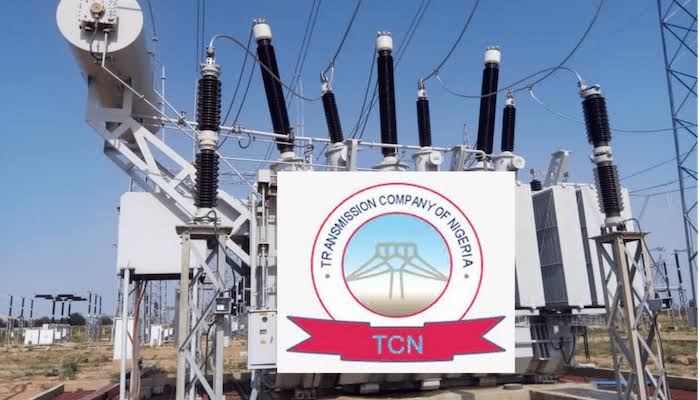

The Transmission Company of Nigeria has mobilised more than $1.4 billion in multilateral and development financing over the past 12 months to rehabilitate and expand the country’s electricity transmission network, as the government seeks to remove infrastructure constraints that limit power delivery.
Oluwagbenga Ajiboye, TCN’s executive director for transmission service provider, disclosed the figure on Thursday, August 27, 2026, at an energy correspondents’ workshop in Keffi, Nasarawa State.
Ajiboye said the financing was mobilised with support from development institutions including the World Bank, African Development Bank, Japan International Cooperation Agency and Agence Française de Développement.
The funding is supporting projects to strengthen the transmission network, including the deployment of new transformers and other infrastructure. TCN said it has commissioned 89 power transformers, adding more than 8,500 megavolt-amperes (MVA) of transformation capacity to the national grid.
TCN also said its transmission network currently has a simulated wheeling capacity of more than 8,700 megawatts (MW). Wheeling capacity refers to the amount of electricity the transmission system can theoretically move to distribution companies.
Importantly, the 8,700MW figure has not yet been physically tested at that level. Ajiboye said the capacity was established through system simulation, while additional infrastructure installed in recent months has yet to be fully reflected in TCN’s assessment.
The distinction matters because Nigeria’s actual electricity supply remains well below the network’s stated potential. TCN recorded a peak of 5,801.84MW wheeled across the national grid on March 4, 2025, according to the company.
Ajiboye identified the ability of electricity distribution companies, or DisCos, to take available power as one of the constraints preventing the transmission network from being fully utilised. He said some DisCos face limitations in absorbing power at locations where transmission capacity is available.
The development highlights a wider challenge for Nigeria’s electricity industry. Expanding transmission infrastructure can improve the system’s ability to carry power, but it cannot by itself resolve shortages caused by inadequate generation, distribution bottlenecks and other operational constraints.
For TCN, the latest financing represents a significant investment in infrastructure that underpins industrial activity and household electricity supply. The effectiveness of the spending will ultimately depend on whether improvements in transmission are matched by stronger generation and distribution capacity across the power value chain.