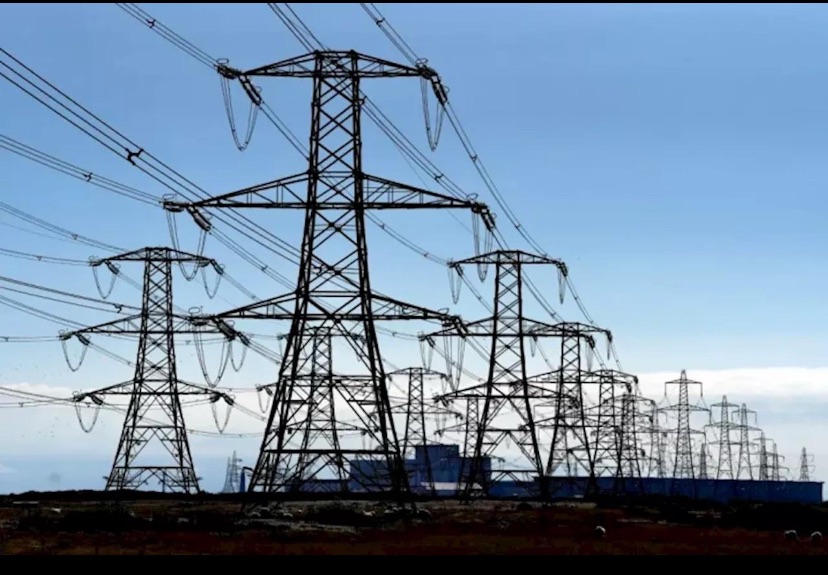

Nigeria’s Federal Government has set a target of delivering 6,500 megawatts (MW) of electricity by the end of December 2026, with plans to increase supply further to 8,000MW by the end of 2027.
The target is part of a broader plan to improve electricity reliability and make better use of the country’s existing power infrastructure.
The Minister of Power, Joseph Tegbe, disclosed the plan in Abuja while announcing the establishment of the Renewable and Asset Management Company (RAMCO), a new institution expected to oversee and protect public power assets.
Tegbe said Nigeria is currently generating and wheeling about 5,000MW, but the government wants to increase the amount of electricity successfully transmitted through the national grid.
He explained that reaching the 6,500MW target would require improvements across generation, transmission and distribution, rather than simply producing more electricity.
According to the minister, the government is focusing on grid stabilisation, better management of existing assets and fresh investment in electricity infrastructure.
RAMCO is expected to play a major role in this strategy. Rather than allowing public power facilities to deteriorate after construction, the company will focus on keeping critical infrastructure operational and ensuring that investments in the sector continue to generate value.
Tegbe said the success of RAMCO would not simply be measured by the number of megawatts associated with its assets. Instead, the government wants to know whether those assets can consistently deliver electricity and remain functional over time.
The minister also acknowledged that Nigeria’s power sector has struggled with a major gap between its available resources and the amount of dependable electricity reaching consumers.
Although the country has significant gas, renewable energy resources and installed power infrastructure, poor transmission capacity, ageing equipment and financial challenges have continued to limit electricity supply.
To address some of these problems, the government has identified three major corridors for grid stabilisation: the Lagos axis, the Abuja-Kaduna-Kano corridor and the Enugu-Onitsha axis.
Technical inspections are currently being carried out along these routes to determine the condition of transmission towers, substations and other equipment. Some of the infrastructure has been operating for more than 40 years and may require replacement or major upgrades.
The government is also working to tackle the sector’s financial problems, including accumulated debts and unpaid tariff shortfalls. These issues have made it difficult for power companies to maintain infrastructure and attract the investment needed to expand supply.
Although RAMCO is being introduced with a strong focus on renewable energy, its responsibilities are expected to eventually cover power assets across the wider national grid.
If the government meets its targets, Nigeria could move from roughly 5,000MW of current supply to 6,500MW by December 2026 and 8,000MW by 2027, marking a significant increase in the electricity available to homes and businesses.
The bigger challenge, however, will be ensuring that the additional power can be transmitted and distributed reliably to consumers.