


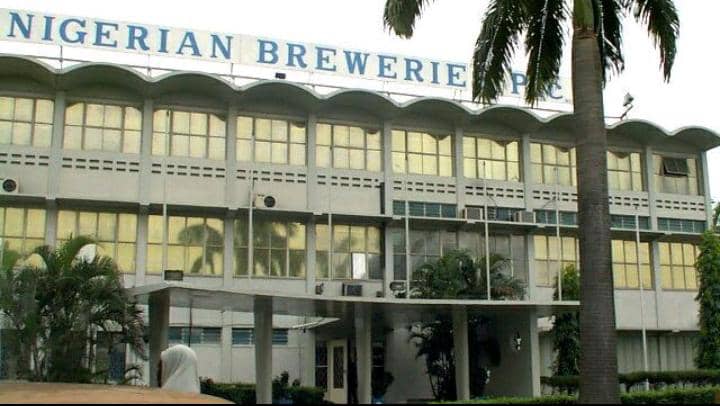

Nigerian Breweries Plc, a leading brewing company in Nigeria, has reaffirmed its commitment to achieving net-zero carbon emissions by 2030 across its operations. During a media session, the company’s Corporate Affairs Director, Uzodinma Odenigbo, shared that substantial investments are being directed into renewable energy and environmental restoration initiatives to meet this target.
Specifically, the brewer has deployed renewables such as solar and biomass and embarked on energy-efficiency projects within its plants. It has signed multiple power purchase agreements to reduce reliance on traditional, non-renewable energy sources. The company says it has already spent over N2.5 billion as part of its “Brew a Better World” sustainability strategy.
In addition to energy-transition efforts, Nigerian Breweries is actively working on water-replenishment and forest-restoration projects in areas facing water stress. For example, through partnerships, more than 300 000 trees have been planted in Ogun State to aid watershed recovery and bolster local ecosystem resilience.
“As a company, we are advancing sustainability outcomes through our Brew a Better World initiatives. Over the past few years, we have made notable investments in renewable energy as part of our transition toward net-zero operations that many people are unaware of. We are also signing power purchase agreements to further reduce our national carbon footprint and progress toward our long-term net-zero ambition,” Odenigbo said.
These moves reflect a growing recognition within the manufacturing sector that sustainability is no longer optional. By embracing green energy and environmental stewardship, Nigerian Breweries aims to minimise its carbon impact while maintaining operational growth. The company’s net-zero by 2030 goal places it among Nigeria’s more forward-looking industrial players in the climate space.
By committing over N2.5 billion to green energy and ecosystem initiatives, Nigerian Breweries is positioning itself to reduce long-term energy costs, hedge against global carbon pricing risks and appeal to climate-conscious investors, thereby potentially improving profitability and securing its role in Nigeria’s evolving low-carbon economy.


