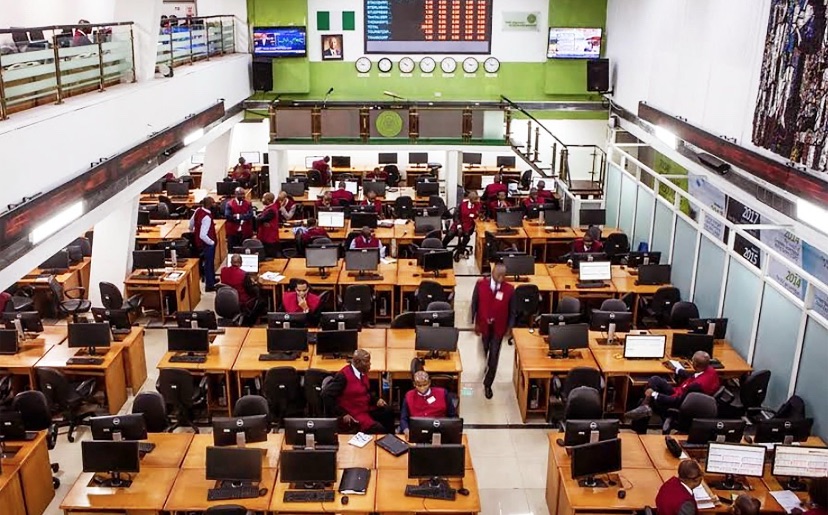

The Nigerian Exchange Limited (NGX) and Stanbic IBTC Stockbrokers have called for stronger participation in market making and securities lending to improve liquidity and make Nigeria’s stock market more efficient.
The call was made during a webinar themed “Unlocking Liquidity in the Equities Market: The Role of Market Making and Securities Lending.” The event brought together financial market professionals and other stakeholders to discuss ways of making it easier for investors to buy and sell securities.
Speaking at the event, NGX Chief Executive Officer, Jude Chiemeka, described liquidity as a key part of a successful capital market. He explained that the strength of a stock market should not be judged only by the number of companies listed or its total market value.
According to him, investors should also be able to enter and exit investments easily, enjoy competitive buying and selling prices and benefit from reliable price discovery.
Chiemeka said market making and securities lending should be seen as important parts of modern financial markets rather than just technical processes.
He also praised the Securities and Exchange Commission (SEC) for establishing a regulatory environment that supports both activities. He said the framework could help attract more investors, improve trading and build a stronger Nigerian capital market.
Nigeria’s capital market currently has a combined value of about N213 trillion, with equities accounting for roughly N156 trillion and fixed-income securities about N56 trillion. Exchange-traded funds also contribute approximately N61 billion.
The market already has eight designated market makers and a securities lending framework. Stakeholders believe these structures provide a foundation for expanding activity in the secondary market.
Jesse Van Rensburg, Head of Equities Sales Trading at Standard Bank Group, explained that securities lending can give market makers more flexibility when managing their positions.
Market makers constantly deal with changing demand and supply. At times, there may be more investors looking to sell than buy. Having access to securities that can be borrowed allows market makers to manage their inventories and continue providing prices to investors.
Van Rensburg noted that managing spreads, inventory risk and capital exposure are important parts of successful market making.
He added that a larger pool of securities available for lending could help market makers use capital more efficiently while maintaining liquidity during different market conditions.
The webinar also highlighted the close relationship between market making and securities lending. More securities available for lending can strengthen market makers’ ability to provide liquidity, while increased market-making activity can create more opportunities for securities lending.
However, stakeholders said further progress will require cooperation among brokers, asset managers, custodians, institutional investors, regulators, market makers and the Exchange.
They identified better access to securities, stronger infrastructure, improved transparency, effective risk management and wider investor participation as important steps.
For Nigeria’s capital market, deeper liquidity could ultimately make trading more attractive, improve price discovery and strengthen investor confidence.