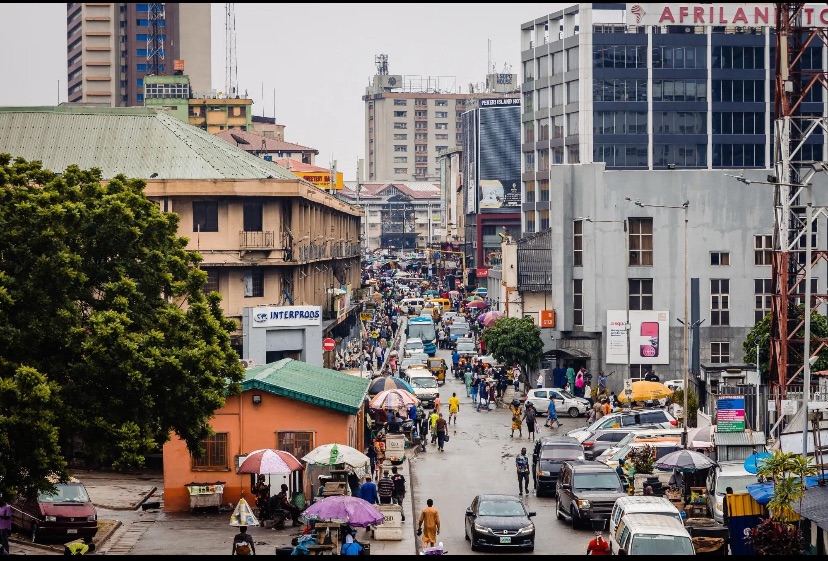

Rising commercial rents are quietly changing the way businesses operate in Nigeria, as companies and small business owners look beyond traditional business districts for more affordable spaces.
For many entrepreneurs, location has always been an important part of doing business. Being close to customers, offices, major roads and busy markets can increase visibility and sales. However, the sharp increase in rent and other operating expenses is forcing some businesses to reconsider how much they can afford to pay for a physical location.
In major commercial centres such as Lagos, Abuja and Port Harcourt, businesses operating from popular areas are facing growing pressure from landlords and property owners. As demand for commercial spaces remains strong in some locations, rents have become an increasingly significant part of business expenses.
For small and medium-sized enterprises (SMEs), the situation is particularly challenging. A business that spends a large portion of its income on rent has less money available for workers, stock, electricity, logistics, marketing and expansion.
As a result, some businesses are moving away from expensive city centres into less costly neighbourhoods. Others are choosing smaller offices, shared workspaces, home-based operations or online platforms that allow them to serve customers without maintaining a large physical shop.
The change is also affecting how businesses think about their customers. Instead of paying a premium for a location with heavy foot traffic, some entrepreneurs are relying more on social media, delivery services and digital advertising to reach consumers from cheaper locations.
For retailers, however, moving away from busy commercial areas can come with risks. Lower rent may mean fewer walk-in customers, while moving to a less accessible area could increase delivery costs or make it harder for existing customers to visit.
Some businesses are therefore adopting a hybrid approach. They maintain a small physical office or showroom while conducting most sales and customer interactions online. This allows them to reduce rental expenses without completely abandoning a physical presence.
The rising cost of commercial property also has wider economic implications. When businesses spend more on rent, they may eventually increase the prices of their goods and services to protect their profit margins. This can add to the financial pressure already facing Nigerian consumers.
For property owners, the situation presents an opportunity but also a warning. Excessively high rents could push smaller businesses out of established commercial areas, creating vacancies and changing the character of business districts.
As Nigeria’s business environment continues to evolve, affordability is becoming just as important as visibility when entrepreneurs choose where to operate. For many businesses, the question is no longer simply “Where are the customers?” but also “Where can we afford to stay?”
The growing shift could gradually reshape Nigeria’s commercial landscape, with businesses spreading into less expensive areas while technology helps them remain connected to customers.