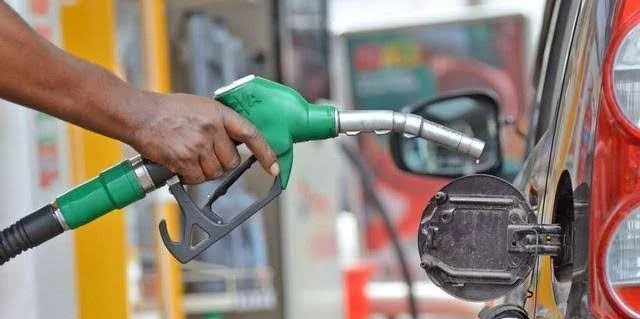

Nigeria’s decision to keep its petrol market largely exposed to global price movements is coming under renewed scrutiny as governments around the world deploy subsidies, tax cuts and price controls to shield consumers from the energy shock caused by the US-Iran conflict.
The International Energy Agency said more than 115 governments have introduced measures in response to the crisis. Of these, 94 have adopted price-support measures, including fuel subsidies, price caps and tax interventions, while others have focused on reducing fuel consumption and strengthening longer-term energy security.
The intervention comes as disruptions around the Strait of Hormuz and other Middle Eastern shipping routes continue to tighten global oil supplies. The IEA now expects global oil supply to fall by 4.3 million barrels per day in 2026, a 4% decline, leaving the market facing a projected supply deficit of about 1.27 million barrels per day.
Brent crude was trading at about $87 a barrel on Friday, as renewed US threats against Iran kept pressure on energy markets.
Nigeria abolished its petrol subsidy in 2023, transferring the cost of global oil and foreign-exchange movements increasingly to consumers. The reform reduced the government’s direct subsidy burden but also exposed households and businesses to sharper swings in transport and operating costs.
Recent domestic prices have reflected that volatility, with petrol selling at different levels across the country depending on location, supplier and logistics costs.
Unlike countries that have used broad price interventions, Nigeria has so far resisted a return to the old subsidy model. The government instead faces pressure to use more targeted measures to protect households without recreating the fiscal costs and market distortions associated with the former system.
The development of domestic refining offers one potential buffer. The Dangote refinery, with capacity of 650,000 barrels per day, has become an increasingly important source of refined products for Nigeria and the wider West African market. Reuters reported this week that regional regulators are also working towards a West African fuel-trading hub and pricing benchmark, with Dangote at the centre of the region’s expanding refining capacity.
The government is also considering changes to crude allocation and pricing to reduce the cost of supplying domestic refineries.
Two proposals under review would allow some producers to supply nearby refineries directly and offer discounts to refiners lifting crude directly from production sites. Industry groups say intermediaries currently add about $3 to $4 a barrel to refining costs.
The reforms could determine how much of Nigeria’s refining advantage ultimately reaches consumers.
For households already facing elevated living costs, the policy challenge is increasingly clear: preserve the gains from deregulation while preventing an international oil shock from becoming another major inflationary burden.
With global energy markets still unsettled, Nigeria’s approach will be tested not only by the price of crude but by how efficiently the country can turn its own oil into affordable fuel.