
Value Added Tax, popularly known as VAT, is one of the major taxes used to generate revenue for the government. Although many Nigerians encounter VAT when paying for goods and services, few people understand why the tax is important or how it affects the wider economy.
VAT is a consumption tax added to the price of certain goods and services. Businesses collect it from customers and remit it to the government. This means that consumers contribute to government revenue whenever they purchase taxable products or services.
One major reason VAT is important is that it provides the government with money to fund public services. Revenue from taxation can support areas such as roads, healthcare, education, security, water supply and other public infrastructure. Without sufficient tax revenue, the government may have to rely more heavily on borrowing or income from oil and other volatile sources.
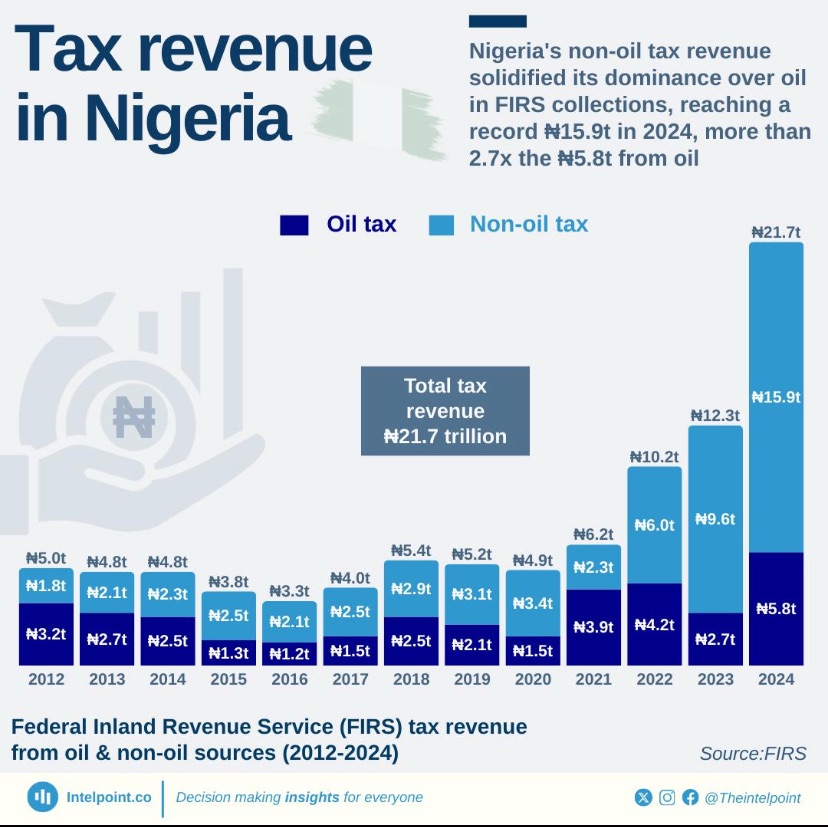
For Nigeria, VAT is particularly important because the government has been trying to reduce its dependence on crude oil revenue. Oil prices can rise and fall sharply, while oil production can also be affected by theft, insecurity and other challenges. A stronger non-oil revenue system gives the country another source of funding.
VAT also has an important role in formalising businesses. Companies that operate within the formal economy are generally required to comply with tax rules, keep proper financial records and account for taxes collected. This can improve transparency and help the government understand the size and activities of different sectors of the economy.
For businesses, however, VAT can be a sensitive issue. Companies must properly calculate, collect and remit the tax. Failure to comply can lead to penalties and additional costs. Small businesses may also face challenges understanding tax requirements, especially when they have limited accounting resources.
Consumers ultimately feel the impact of VAT through the prices they pay. When VAT is added to a taxable product or service, the final cost can increase. This is why changes to VAT policy often attract public attention, particularly when households are already dealing with higher living costs.
Despite these concerns, VAT remains an important part of Nigeria’s tax system. The key challenge is ensuring that the system is efficient, transparent and fair. Businesses need clear rules, consumers need protection from unnecessary charges, and government agencies need to ensure that collected revenue is properly accounted for.
As Nigeria continues to reform its tax system, VAT will remain an important part of discussions about economic growth and government revenue. A well-managed VAT system can help the country raise more domestic revenue while reducing excessive dependence on borrowing and oil income.
Ultimately, VAT is more than just an additional charge on a receipt. It is one of the mechanisms through which economic activity is converted into public revenue. How effectively that revenue is collected and used will determine how much Nigerians benefit from the tax.