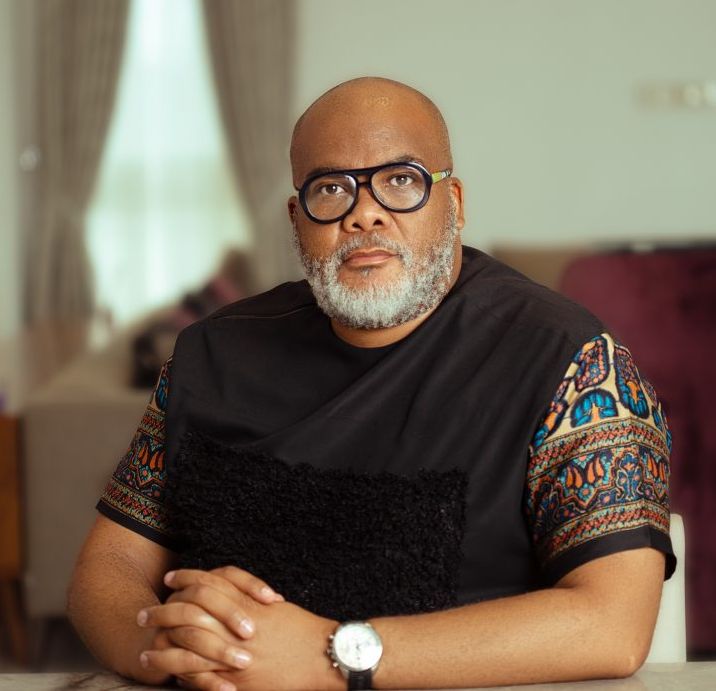

South Africa’s Consul-General in Lagos, Prof. Bobby Moroe, has moved to reassure Nigerians that the country remains safe, pushing back against a wave of xenophobia-related anxiety that has strained relations between Africa’s two largest economies in recent months.
Speaking at recent engagements in Lagos, including the Nigeria-South Africa Chamber of Commerce (NSACC) Breakfast Forum, Moroe described perception rather than reality as the biggest obstacle facing both nations. He noted that South Africans and Nigerians hold mutual misconceptions about one another that, left unchecked, become a lived experience shaped more by online narratives than conditions on the ground.
The reassurance follows a tense stretch for bilateral ties. A special delegation dispatched by South African President Cyril Ramaphosa visited Abuja in late July to address renewed concerns over attacks on Nigerian nationals, sparking reports, which Moroe has since dismissed as false, that President Bola Tinubu snubbed the delegation by delegating the meeting to Minister of State for Foreign Affairs Sola Enikanolaiye. Moroe called this standard diplomatic protocol, not disrespect.
On the underlying security concerns, Moroe disclosed that South African authorities have arrested roughly 80 suspected vigilantes across five to six provinces in connection with attacks on foreign nationals, framing the violence as the work of criminal fringe groups rather than a reflection of state policy or the broader population. He stressed that South Africa’s constitution protects both regular and irregular migrants, and that immigration enforcement remains the sole preserve of authorised agencies.
Beyond security messaging, Moroe used the platform to press an economic case for closer ties. Noting that Nigeria and South Africa together account for more than 40 percent of Africa’s GDP yet trade far below potential under the African Continental Free Trade Area, he called for cross-border investment in refining, agro-processing, fintech, data infrastructure and green hydrogen. He also pointed to gains on the consular side, saying most Nigerian visa applications are approved, with delays tied to processing capacity rather than discrimination.
For Nigeria’s trade and diplomatic community, the messaging signals an active effort to stabilise sentiment even as underlying safety concerns for Nigerians abroad continue to draw scrutiny from Nigerian authorities and civil society.