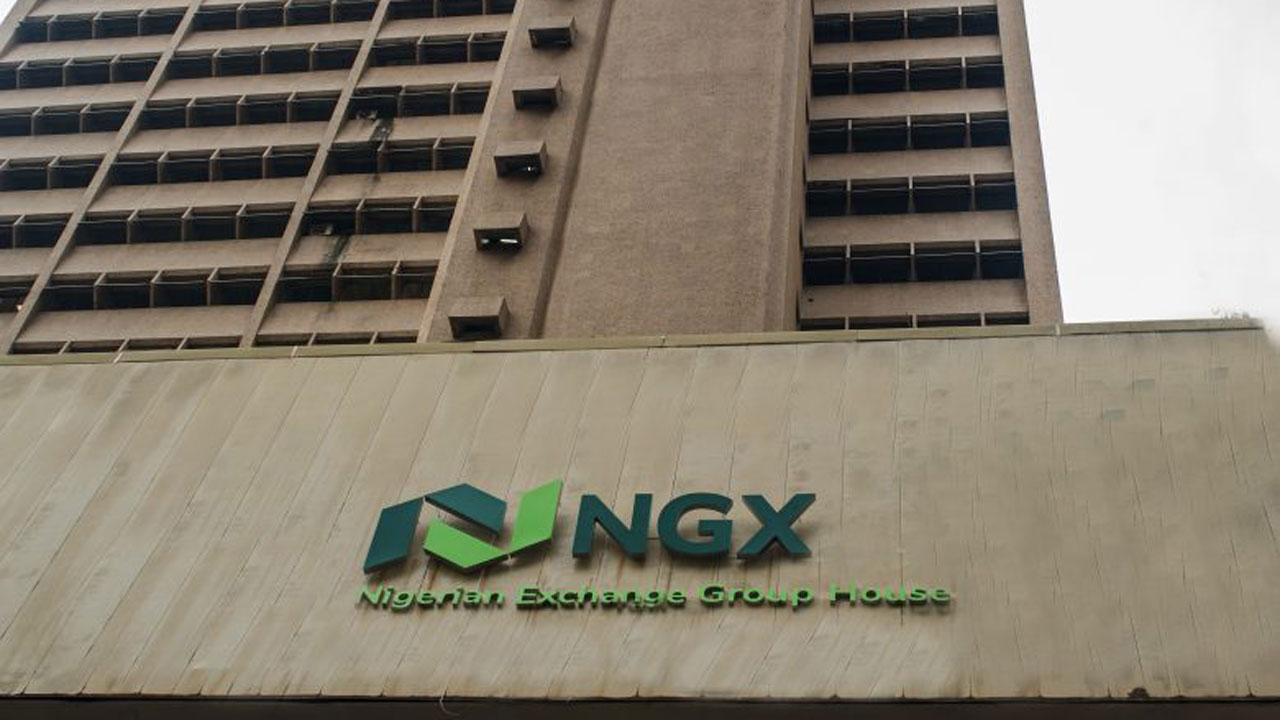

Nigeria’s equity market is entering a potentially transformative phase as the Nigerian Exchange Group (NGX) targets market capitalisation of about N230 trillion by the end of 2026, a level that would require a substantial increase from the roughly N160 trillion recorded around mid-year.
The ambition comes as the exchange prepares for a pipeline of large corporate listings that could materially change the size and sector composition of the market. NGX Group Chief Executive Temi Popoola has repeatedly argued that Nigeria has the businesses, population and entrepreneurial base to support a much deeper capital market.
The most significant catalyst is the planned initial public offering (IPO) of Dangote Petroleum Refinery. Reuters reported this week that the refinery is targeting about $5 billion from an IPO expected to conclude in October, potentially making it Africa’s largest-ever market listing. The 650,000-barrel-per-day refinery is already operating in Lagos.
The size of the transaction matters beyond the cash raised. Market capitalisation reflects the value investors place on a company’s outstanding shares, meaning the refinery’s eventual valuation, not simply the amount raised, would determine how much it adds to the NGX’s headline market size.
That distinction is important because reported valuation expectations have varied. Recent reports have put the potential valuation at about $40 billion, while Reuters cited a $20 billion value for the refinery and noted that a recent private transaction implied a much higher valuation.
The Nigerian National Petroleum Company (NNPC) Limited is another potential long-term catalyst, although its timing and structure remain uncertain. NGX has previously discussed the possibility of an NNPC listing, while more recent NGX strategy has continued to emphasise attracting large, high-value companies to the exchange.
If major energy and industrial companies enter the market, the effect could extend beyond market capitalisation. Larger listings could improve trading liquidity, broaden institutional participation and give domestic investors access to companies previously available mainly through private ownership.
The N230 trillion ambition, however, should not be interpreted as a guaranteed market outcome. Valuations can rise or fall independently of new listings, while the naira’s exchange rate remains crucial to foreign investors measuring returns in dollars.
The pricing of the Dangote IPO will therefore be closely watched. A highly valued offering could lift the exchange initially but face pressure if investors later conclude that earnings do not justify the price.
For NGX, the real test is execution: attracting landmark companies while maintaining investor confidence, market liquidity and credible price discovery. If the major listings proceed successfully, the N230 trillion target becomes more plausible. If they are delayed or poorly received, the exchange may still grow substantially, but the headline target could prove difficult to reach.