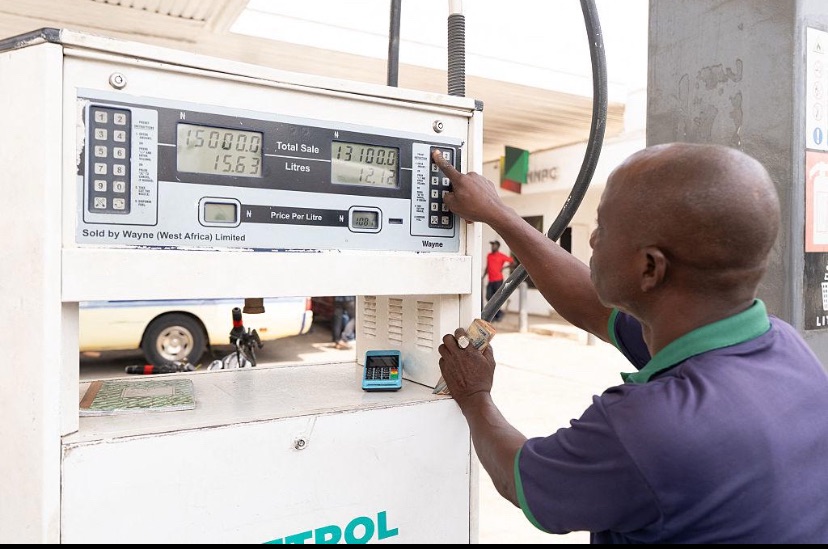

Fuel prices remain one of the biggest factors affecting the cost of living in Nigeria, with changes at filling stations quickly spreading across transportation, food, household goods and everyday services.
For many Nigerians, the impact of petrol prices goes beyond the amount paid to fill a vehicle. When fuel becomes more expensive, transport operators often increase fares to cover higher operating costs. This makes commuting more expensive for workers, students, traders and other Nigerians who depend on public transportation.
The effect is also felt in the food market. Farmers and food distributors rely heavily on vehicles to move products from farms and major markets to towns and cities. Higher fuel costs can therefore increase transportation expenses, which may eventually be reflected in the prices consumers pay for food.
Small businesses are particularly exposed to fuel price changes. Many shops, restaurants, salons, workshops and other businesses depend on petrol-powered generators when electricity supply is unreliable. When fuel costs rise, business owners have to spend more money keeping their operations running.
Some businesses may respond by increasing their prices, while others may reduce operating hours or absorb part of the additional cost. For consumers, this can mean paying more for products and services even when their incomes remain unchanged.
The situation also creates pressure on household budgets. Families may have to spend a larger share of their monthly income on transportation, food and electricity-related expenses, leaving less money for savings, education, healthcare and other needs.
However, changes in fuel prices do not affect everyone equally. People who live close to their workplaces or use fuel-efficient vehicles may face less pressure than those who travel long distances every day. Businesses with alternative energy sources, such as solar power, may also be better positioned to manage rising fuel expenses.
The wider economy is equally affected. Higher transportation and operating costs can increase the expenses faced by manufacturers, distributors and retailers. If these costs are passed on to consumers, they can contribute to broader inflationary pressure.
For businesses, managing fuel expenses has therefore become an important part of financial planning. Companies are increasingly looking for ways to reduce energy consumption, improve logistics and adopt alternative power sources where possible.
For consumers, the challenge is finding ways to adjust household spending without sacrificing essential needs. For policymakers, keeping the fuel market stable while protecting consumers and supporting businesses remains an important economic issue.
As Nigeria’s energy and fuel market continues to change, petrol prices will remain closely connected to the everyday cost of living. What happens at the pump can influence how much Nigerians pay for transportation, food and a wide range of goods and services.