
The use of Liquefied Petroleum Gas (LPG), commonly known as cooking gas, is steadily increasing among urban households in Nigeria as more families move away from traditional cooking fuels such as firewood, charcoal, and kerosene. The trend reflects changing lifestyles, increased awareness of cleaner energy, and growing investment in the country’s domestic gas market.
Across major cities including Lagos, Abuja, Port Harcourt, Ibadan, and Kano, cooking gas has become the preferred option for many households because it is cleaner, faster, and more convenient. Families living in apartments and residential estates are increasingly choosing LPG as their primary cooking fuel, reducing their dependence on less efficient alternatives.
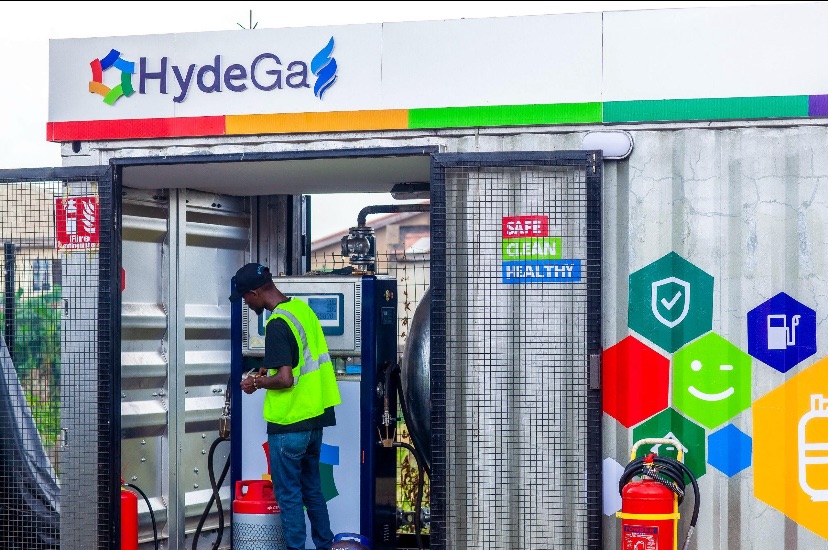
Industry experts say improved access to gas refilling stations has played an important role in boosting consumption. Over the past few years, private investors have expanded LPG distribution networks, making it easier for consumers to refill cylinders without travelling long distances.
Another factor supporting demand is greater public awareness about the health risks linked to smoke from firewood and charcoal. Medical professionals have repeatedly warned that indoor air pollution caused by solid fuels can contribute to respiratory illnesses, particularly among women and children. As a result, more urban families are switching to cleaner cooking methods.
The growth in LPG use is also creating new business opportunities. Gas retail outlets, cylinder manufacturers, storage facilities, transport operators, and equipment suppliers are seeing increased demand. Entrepreneurs continue to invest in mini gas plants and home delivery services, helping to expand access to consumers who prefer convenient refilling options.
Despite the positive growth, affordability remains a challenge. The price of cooking gas has experienced periodic increases due to fluctuations in global energy prices, foreign exchange movements, transportation costs, and supply chain challenges. These price changes sometimes force lower-income households to reduce consumption or temporarily return to cheaper fuels.
Energy analysts believe stable pricing will be critical if Nigeria hopes to achieve wider adoption of LPG. They argue that improving local gas production, strengthening distribution infrastructure, and reducing logistics costs could help keep prices more affordable for consumers.
The Federal Government has also continued to encourage the use of LPG as part of its clean energy and environmental sustainability goals. Expanding the use of cooking gas supports efforts to reduce deforestation, lower carbon emissions, and improve public health. Several public and private sector initiatives have focused on increasing awareness, promoting gas cylinder safety, and improving nationwide availability.
Market observers expect LPG consumption to continue rising as Nigeria’s urban population expands and more middle-income households embrace cleaner energy solutions. Increased housing development, modern kitchens, and changing consumer preferences are likely to sustain demand over the coming years.
However, experts stress that long-term growth will depend on consistent investment, reliable supply, and policies that make cooking gas affordable for millions of Nigerians. If these challenges are addressed, LPG could become the dominant household cooking fuel across both urban and eventually rural communities.
As Nigeria seeks to strengthen its energy sector and improve living standards, the steady rise in LPG consumption among urban households represents an important step toward cleaner energy use, stronger local businesses, and a more sustainable future.