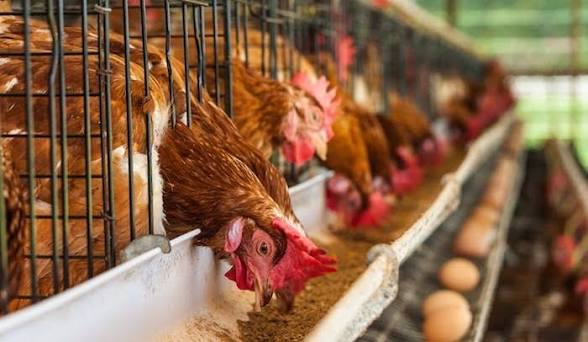

Nigeria’s poultry industry remains one of the country’s most accessible agribusiness opportunities, driven by strong consumer demand, relatively short production cycles and a growing market for poultry meat and eggs. However, operators say rising production costs, disease outbreaks and limited access to affordable finance continue to constrain the sector’s growth.
The Poultry Association of Nigeria (PAN) says the industry supports millions of direct and indirect jobs across poultry farming, feed milling, hatcheries, veterinary services, processing, transportation and distribution. PAN has also estimated the industry’s value at about ₦12 trillion, although no independently verified national valuation is publicly available.
Estimates of Nigeria’s poultry population vary by source. While earlier datasets from the Food and Agriculture Organization (FAO) put the national flock at around 180 million birds, the Presidential Livestock Reforms Implementation Committee’s 2024 baseline report estimated more than 560 million birds, reflecting both commercial and backyard production systems.
According to PAN, Nigeria produces about 454,000 metric tonnes of chicken meat annually, a level that remains below domestic demand and leaves room for further expansion in local production. The association also estimates annual egg output at about 15.8 billion eggs, making Nigeria one of Africa’s leading egg-producing countries.
The industry’s relatively short production cycle continues to attract investors. Broiler chickens typically reach market weight within six to eight weeks, while commercial laying birds begin egg production at about 18 to 20 weeks.
Despite this potential, financing remains a major challenge. Although the Nigeria Incentive-Based Risk Sharing System for Agricultural Lending (NIRSAL) provides credit guarantees to encourage agricultural lending, many small and medium-scale poultry farmers say high interest rates and collateral requirements still limit access to formal financing.
Feed remains the industry’s largest cost component, accounting for an estimated 60 to 70 percent of production expenses. PAN says although prices of key raw materials such as maize and soybean have eased in recent months, finished feed prices have not declined proportionately, putting continued pressure on producers’ margins.
Disease outbreaks also remain a significant concern. Since Nigeria recorded its first outbreak of highly pathogenic avian influenza in 2006, sporadic cases have continued to threaten commercial poultry operations, while Newcastle disease remains endemic. To strengthen preparedness, the Federal Government and the FAO launched a $350,000 Technical Cooperation Programme in 2026 to improve disease surveillance, biosecurity and emergency response capacity.
High energy costs further weigh on the sector, with many farms relying on diesel-powered generators because of unreliable electricity supply. In response, some producers are investing in solar energy systems to reduce operating costs.
Industry stakeholders have also continued to raise concerns over the smuggling of frozen poultry products, arguing that illegal imports undermine local production and investment. The Nigeria Customs Service has repeatedly warned that smuggled poultry products may not meet Nigeria’s food safety standards.
Analysts say improving access to affordable finance, increasing domestic maize and soybean production, strengthening veterinary services and tackling illegal poultry imports will be critical to unlocking the sector’s long-term growth potential and improving Nigeria’s food security.