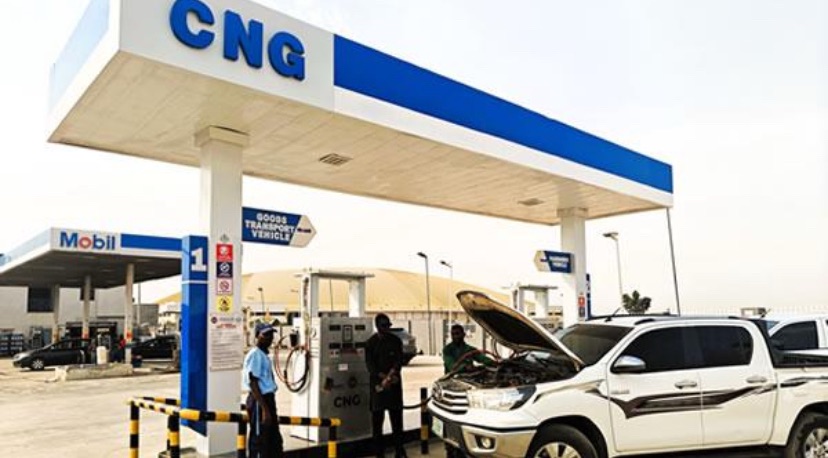

Nigeria’s transition to cleaner transportation is gaining momentum, but industry experts say major safety concerns must be addressed if the country is to successfully adopt Compressed Natural Gas (CNG) and Electric Vehicles (EVs).
Stakeholders in the automotive sector have warned that weak regulation, poor public awareness, inadequate testing facilities and the growing use of uncertified vehicle parts could slow the Federal Government’s clean mobility plans.
The concerns were raised during the third edition of the Nigeria Auto Industry Summit held in Lagos. The event, organised by the Nigeria Auto Journalists Association in partnership with the National Automotive Design and Development Council, focused on the future of cleaner transportation under the current administration.
Speaking at the summit, the Director-General of the Standards Organisation of Nigeria (SON), Dr. Ifeanyi Okeke, said the country’s move towards CNG and electric vehicles can only succeed if safety standards are strictly enforced.
Represented by the agency’s Deputy Director of Research and Statistics, Olalekan Omoniyi, the SON boss explained that CNG and EV technologies are safe when they are produced, installed and maintained according to approved national and international standards.
However, he warned that the use of fake products, uncertified cylinders and poor installation practices could create serious safety risks and reduce public confidence in the new technology.
According to him, one of the biggest challenges facing the industry is the increasing number of informal vehicle conversion centres operating without proper certification. He noted that the growing importation of unapproved CNG cylinders and conversion kits has made it more difficult for regulators to monitor product quality.
Omoniyi pointed to a recent explosion involving a CNG-powered Audi 80 at a filling station along the Benin-Auchi Expressway in Edo State. Investigations, he said, revealed that the incident was caused by an uncertified gas cylinder that failed to meet Nigeria’s approved installation standards.
He stressed that such incidents could discourage investors and motorists from embracing cleaner vehicles if regulators fail to remove unsafe products from the market.
The SON also noted that Nigeria still needs to strengthen standards covering electric vehicle battery safety, charging systems, battery recycling and the reuse of old batteries. It called for greater investment in modern testing laboratories and skilled professionals capable of evaluating new technologies.
Despite these concerns, the agency reassured Nigerians that certified CNG and EV systems remain safe when installed by qualified technicians using approved equipment.
Also speaking at the summit, the Corps Marshal of the Federal Road Safety Corps (FRSC), Shehu Mohammed, said the agency is developing new Standard Operating Procedures that will guide the safe deployment and regulation of electric and CNG-powered vehicles across Nigeria.
He explained that as cleaner transportation becomes more common, road safety regulations must evolve alongside new technologies.
According to Mohammed, the FRSC is working with government agencies and industry stakeholders to develop stronger safety guidelines, improve public awareness and ensure that Nigeria’s transport sector aligns with international best practices.
He added that the goal is not only to reduce carbon emissions but also to improve vehicle safety, strengthen industry standards and increase public confidence in cleaner mobility solutions.
Earlier, Chairman of the Nigeria Auto Journalists Association, Theodore Opara, described the summit as an important platform for shaping the future of Nigeria’s automotive industry.
He said countries around the world are investing heavily in cleaner transportation to reduce pollution, improve energy efficiency and build more sustainable economies. According to him, Nigeria must move quickly to keep pace with global developments and fully benefit from the opportunities created by electric vehicles and CNG technology.
Industry experts agreed that while Nigeria’s clean mobility programme offers significant economic and environmental benefits, its success will depend on strong regulation, quality control, continuous public education and strict enforcement of safety standards.