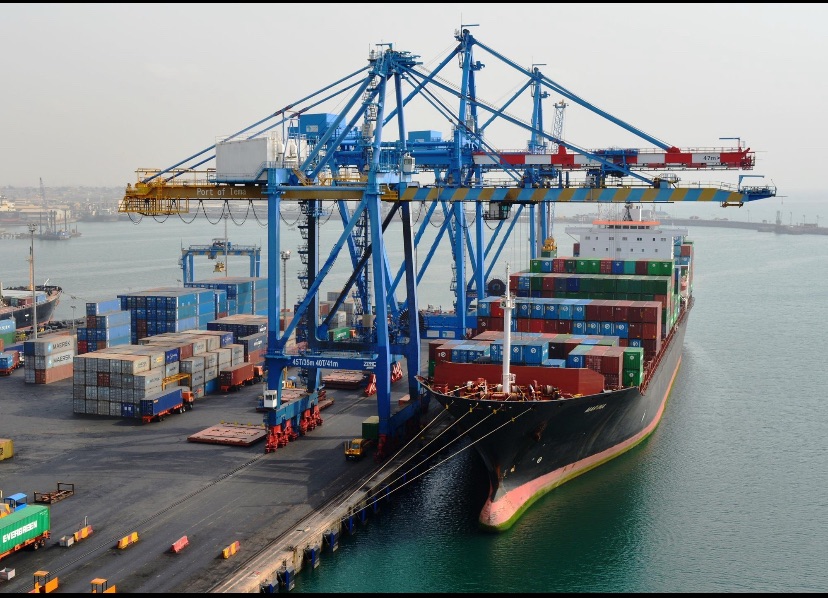

Africa recorded one of the strongest trade performances in the world during the first quarter of 2026, with merchandise exports increasing by 14 percent compared to the same period last year, according to the World Trade Organization (WTO).
In its latest global trade outlook, the WTO said Africa was the second-fastest growing exporting region, behind Asia. The report noted that the continent’s export growth was mainly driven by increased shipments of precious metals, gold, copper, fertilisers and mineral ores.
However, not every export product performed well. Exports of cocoa and fuel products declined during the quarter, showing that some of Africa’s traditional export sectors continue to face challenges.
The WTO also reported that Africa’s merchandise imports rose by 15 percent year-on-year. Higher demand for vehicles, industrial machinery, ships and boats contributed to the increase, while imports of aircraft and organic chemicals recorded a decline.
Since the beginning of 2023, Africa’s imports have increased by 25 percent, the highest cumulative growth among all regions of the world. This reflects rising investment, growing industrial activity and increased demand for manufactured goods across the continent.
Globally, Asia recorded the highest export growth with a 20 percent increase, supported by strong exports of machinery, electronics, precious metals and mineral products. South and Central America also achieved 14 percent export growth, driven by oilseeds, meat, coffee, tea, fuels and minerals.
In contrast, exports from the Middle East and the Commonwealth of Independent States (CIS) declined slightly during the period, largely due to geopolitical tensions and disruptions in energy markets.
Although Africa’s exports fell slightly on a quarter-to-quarter basis, the WTO expects the region to recover in the second quarter of the year. The organisation believes that African petroleum-producing countries could benefit from higher demand as global buyers seek alternative suppliers following reduced production in parts of the Middle East.
Across the world, office and telecommunications equipment recorded the fastest export growth, rising by 44 percent, while exports of ores and minerals increased by 27 percent. Fuel prices also climbed during the period, reflecting continued uncertainty in global commodity markets.
Despite ongoing conflicts in the Middle East and supply chain disruptions, the WTO said global merchandise trade has remained resilient, demonstrating the ability of businesses and economies to adapt to changing market conditions.
The report also highlighted Nigeria’s improving trade performance. According to the National Bureau of Statistics (NBS), Nigeria recorded a merchandise trade surplus of N7.55 trillion in the first quarter of 2026. This represents a significant increase from N1.71 trillion recorded in the previous quarter.
Nigeria’s non-oil exports also reached N3.19 trillion, accounting for just over 15 percent of the country’s total exports. The figures suggest that the country is gradually expanding beyond crude oil by increasing exports of agricultural products, manufactured goods and other non-oil commodities.
However, industry stakeholders believe there is still room for improvement. The Network of Practicing Non-Oil Exporters of Nigeria (NPNEN) has said many Nigerian businesses are yet to fully take advantage of opportunities provided by the African Continental Free Trade Area (AfCFTA), despite the country’s growing non-oil export performance.
The WTO believes Africa’s recent export growth demonstrates the continent’s increasing importance in global trade. With stronger regional integration, improved infrastructure and greater support for exporters, Africa could further strengthen its position in international markets and create more opportunities for businesses and investors in the years ahead.