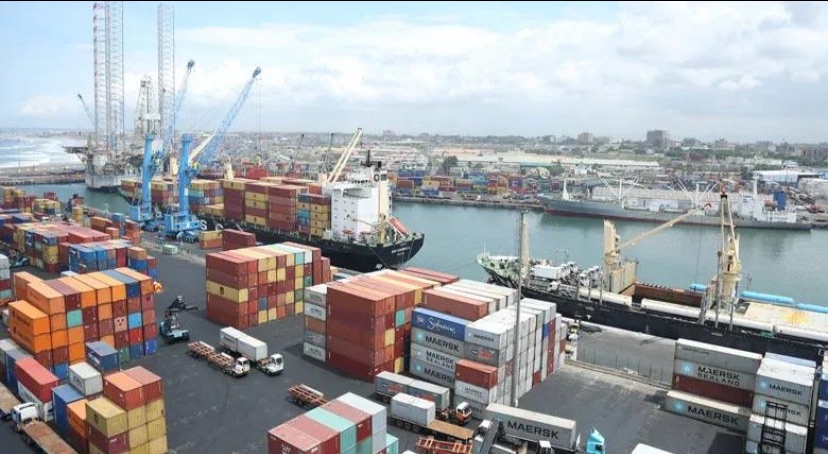

Africa has been urged to shift away from exporting raw materials and instead focus on processing and manufacturing products within the continent to unlock greater economic opportunities.
This message was delivered by the National Coordinator and Chief Executive Officer of the Nigeria African Continental Free Trade Area (AfCFTA) Coordination Office, Patience Okala, during the 20th Anniversary Business Forum organised by Streamsowers & Köhn.
Speaking at the event, Okala explained that Africa can create more jobs, strengthen industries, and increase economic growth if it adds value to its natural resources before selling them to international markets.
According to her, many African countries still export unprocessed commodities such as cocoa, crude oil, minerals, and agricultural products, while importing finished goods at much higher prices. She said this pattern limits the continent’s ability to build strong industries and create employment for millions of people.
Okala stressed that the African Continental Free Trade Area is much more than an agreement to reduce tariffs between African countries. She described it as a major opportunity to transform African economies through industrialisation, manufacturing, and regional trade.
She said the continent must focus on processing its own resources instead of sending raw materials overseas for other countries to refine and manufacture into finished products.
According to her, true economic development will only happen when African nations build industries that can produce goods locally, increase exports of finished products, and compete in both regional and global markets.
Okala also noted that the success of the AfCFTA will not be judged simply by the signing of trade agreements. Instead, she said the real measure of success will be whether businesses can easily trade across borders, access new customers, and benefit from the larger African market.
She explained that the agreement has now entered its implementation stage, making it important for governments and businesses to work together to remove barriers that slow down trade.
Highlighting Nigeria’s efforts, Okala said the Federal Government, through the Ministry of Industry, Trade and Investment led by Dr. Jumoke Oduwole, has taken practical steps to help businesses benefit from the trade agreement.
One of these initiatives is the creation of simplified AfCFTA guides translated into six different languages. The guides are designed to help businesses better understand the agreement and learn how to take advantage of the opportunities it offers.
She added that these resources are especially useful for small and medium-sized enterprises, which often struggle to access trade information.
Okala also called for stronger cooperation between governments, regulators, financial institutions, and the private sector to remove obstacles that discourage investment and cross-border commerce.
She said special attention should be given to supporting micro, small and medium-sized enterprises (MSMEs), women-owned businesses, and young entrepreneurs, as they are expected to play a key role in driving Africa’s economic growth under the AfCFTA.
She concluded by saying that the continent now has a unique opportunity to build a stronger and more connected economy. However, she stressed that this goal can only be achieved if African countries move beyond policies and ensure that businesses can enjoy the real benefits of the free trade agreement through easier trade, stronger industries, and increased value addition.