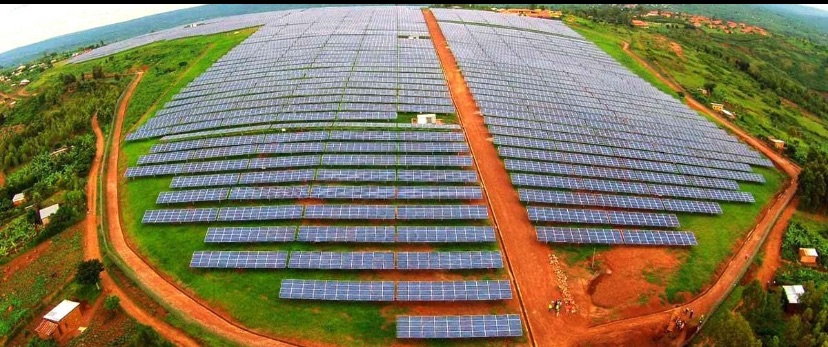

Nigeria’s renewable energy sector is gaining remarkable momentum as investors continue to pour billions of dollars into clean energy projects. With nearly $2 billion in renewable energy investments attracted in recent years, the country is positioning itself as one of Africa’s fastest-growing markets for solar power, mini-grids, and other sustainable energy solutions.
The surge in investment comes at a time when millions of Nigerians still struggle with unreliable electricity supply. Businesses, households, schools, hospitals, and industries are increasingly turning to renewable energy as a reliable and cost-effective alternative to diesel generators and unstable public power.
Solar energy has become the biggest driver of Nigeria’s clean energy revolution. Across cities and rural communities, more homes and businesses are installing rooftop solar panels to reduce electricity costs and improve energy reliability. Small businesses such as salons, supermarkets, restaurants, pharmacies, and cybercafés are adopting solar systems to keep operations running without depending heavily on fuel-powered generators.
The growing demand has created fresh opportunities for entrepreneurs involved in solar panel installation, battery sales, inverter distribution, maintenance services, and energy consulting. Many local companies are also partnering with international investors to expand renewable energy projects across the country.
Another major area of growth is the expansion of mini-grids. These small electricity networks provide power to communities that are not connected to the national grid or experience frequent outages. Powered mainly by solar energy, mini-grids are helping businesses operate longer hours while improving access to electricity in rural areas.
Communities with functioning mini-grids are already experiencing positive economic changes. Farmers can preserve produce using cold storage facilities, artisans can use electric equipment, students have access to better learning conditions, and small manufacturers can increase production without worrying about power interruptions.
For investors, Nigeria presents one of the largest untapped renewable energy markets in Africa. With a population exceeding 200 million people and significant electricity demand, the need for alternative energy solutions continues to grow every year.
Government policies encouraging renewable energy development have also boosted investor confidence. Financial institutions, development agencies, and private equity firms are increasingly funding solar projects aimed at expanding electricity access while reducing carbon emissions.
The renewable energy sector is also creating employment opportunities. Thousands of Nigerians are finding jobs as solar technicians, engineers, electricians, project managers, sales representatives, and customer support specialists. Training centres are responding by offering specialised courses that equip young people with practical skills needed in the clean energy industry.
Manufacturing could become another major beneficiary if local production of solar panels, batteries, cables, and electrical components expands. Increased domestic manufacturing would reduce import dependence, lower equipment costs, and create even more employment opportunities.
Businesses are equally benefiting from lower operating costs. Many companies that previously spent large amounts on diesel now report significant savings after switching to solar-powered systems. These savings allow businesses to reinvest in expansion, hire more workers, and improve productivity.
Despite the impressive progress, challenges remain. High upfront installation costs, limited financing options for small businesses, and the need for stronger electricity infrastructure continue to slow adoption in some areas. Industry experts believe greater government support, tax incentives, and affordable financing will help accelerate growth.
Looking ahead, analysts expect renewable energy to become one of Nigeria’s strongest investment sectors over the next decade. As demand for reliable electricity continues to rise, solar power and mini-grid projects are expected to attract even more local and international investors.
For entrepreneurs and investors, Nigeria’s renewable energy boom represents more than an environmental solution—it is becoming a powerful business opportunity capable of transforming industries, creating jobs, and supporting long-term economic growth.