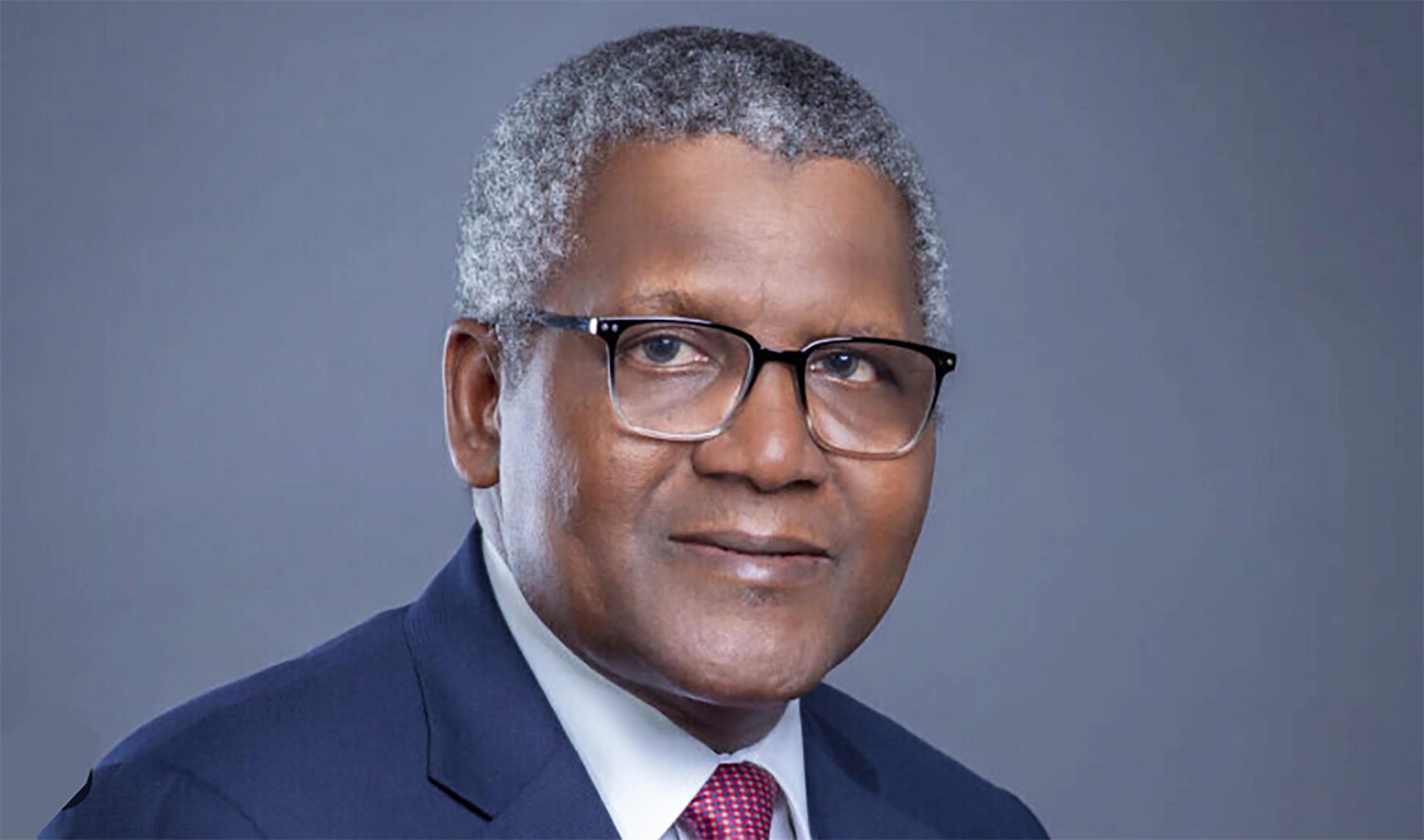

The heirs of Aliko Dangote, Africa’s richest man, have endorsed a provision in his will directing roughly one-third of his fortune to charitable causes, a commitment that would rank among the largest philanthropic pledges ever made by an African billionaire.
Halima Dangote, the industrialist’s daughter and a trustee of the Aliko Dangote Foundation, disclosed the arrangement in an interview with Bloomberg. She said her father had formally written the bequest into his will, a document that requires the signatures of his three daughters and his mother before it takes effect.
“That is how important it is to him,” she said, adding that the arrangement complies with Islamic inheritance principles. “Giving back is part and parcel of what we do.”
Aliko Dangote’s net worth stood at about $35.2 billion in late July, according to the Bloomberg Billionaires Index, up from roughly $30.4 billion at the start of the year. Based on that valuation, one-third of his wealth would amount to nearly $12 billion, significantly expanding the endowment of the Aliko Dangote Foundation, which supports healthcare, education, nutrition and humanitarian programmes across Nigeria and other African countries.
The increase in Dangote’s wealth has been driven largely by the continued ramp-up of the 650,000-barrel-per-day Dangote Petroleum Refinery in Lagos, alongside the strong performance of Dangote Cement. The refinery—one of the world’s largest single-train facilities—has transformed Nigeria’s domestic fuel supply landscape, reduced reliance on imported refined petroleum products and positioned the country as a growing exporter of refined fuels to regional and international markets.
Beyond its financial scale, the planned bequest underscores an effort to institutionalise the Dangote family’s philanthropic activities across generations. By embedding the commitment in his estate plan, Dangote is seeking to ensure that charitable giving remains central to the family’s legacy while providing a structured framework for succession. In recent years, he has expanded the responsibilities of his daughters across the group’s cement, energy and family-office operations.
Development economists have increasingly argued that well-governed private foundations can complement public investment in areas such as healthcare, education, food security and disaster relief, particularly in emerging economies where fiscal resources remain constrained. For Nigeria, where infrastructure and social development needs remain substantial, a larger endowment for the Aliko Dangote Foundation could strengthen the role of strategic philanthropy in supporting long-term economic and human development.
If implemented, the commitment would place the Dangote family among a select group of global billionaires who have dedicated a substantial share of their wealth to philanthropy, further cementing Aliko Dangote’s legacy not only as Africa’s most successful industrialist but also as one of its most influential philanthropists.