
The Federal Government has continued to raise funds through Treasury Bills and bond auctions as part of its strategy to finance public spending and support key development projects across the country. Recent auctions conducted by the Debt Management Office (DMO) attracted strong interest from investors, showing that government securities remain one of the most trusted investment options in Nigeria.
Treasury Bills and Federal Government bonds are debt instruments issued by the government to borrow money from investors. While Treasury Bills are short-term investments that usually mature within one year, bonds are designed for longer periods, often ranging from two to 30 years. Investors who buy these securities receive interest payments and are repaid their capital when the investment matures.
The latest auctions recorded high subscription levels, with banks, pension fund managers, insurance companies, and individual investors competing to secure government securities. The strong demand reflects investors’ preference for relatively safe investments at a time when economic uncertainty and inflation continue to influence financial decisions.
Government borrowing through Treasury Bills and bonds also helps provide the funds needed for infrastructure projects, healthcare, education, security, and other public services. However, economists say borrowing must be carefully managed to ensure that debt remains sustainable and does not place excessive pressure on future government finances.
For investors, the recent auctions present opportunities to earn stable returns with lower risk compared to many other investment options. Since these securities are backed by the Federal Government, they are generally considered among the safest investments in the country. This has made them especially attractive to conservative investors seeking predictable income.
The level of interest rates offered during Treasury Bill and bond auctions is another important factor. Higher interest rates can make government securities more appealing because investors receive better returns on their money. On the other hand, rising yields may increase borrowing costs for businesses and individuals, as commercial banks often adjust lending rates in response to movements in government securities.
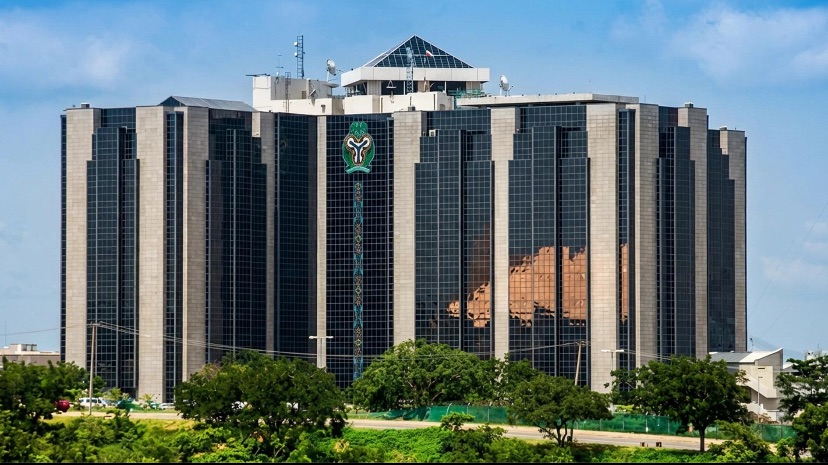
Financial analysts note that the Central Bank of Nigeria’s monetary policy decisions also play a major role in determining Treasury Bill and bond yields. When interest rates remain high to combat inflation, returns on government securities often increase as well. This creates a competitive environment where investors weigh the benefits of fixed-income investments against opportunities in the stock market and other assets.
Businesses also pay close attention to government borrowing activities. If the government borrows heavily from the domestic market, it could reduce the amount of money available for private sector lending. This situation, sometimes referred to as “crowding out,” may make it more expensive for companies to obtain loans for expansion and investment.
Despite these concerns, experts believe a well-managed borrowing programme can strengthen the economy if the funds are invested in productive sectors that generate long-term economic growth. Improved roads, power supply, transport infrastructure, and public services can increase productivity and create more jobs.
As Nigeria continues to balance economic growth with fiscal responsibility, Treasury Bills and bond auctions are expected to remain key tools for financing government operations. For investors, they offer a reliable way to preserve wealth and earn steady income, while policymakers must ensure that borrowing supports sustainable development without placing unnecessary pressure on future generations.