
Nigeria’s energy sector is at a turning point. For years, the country has struggled with unreliable electricity, high fuel costs, aging infrastructure, and limited access to clean energy. These challenges have slowed economic growth and increased the cost of doing business. However, industry experts believe the coming years could mark the beginning of a major transformation if the right investments and policies are sustained.
Nigeria remains one of Africa’s largest oil and gas producers, but the future of its energy sector is expected to extend far beyond fossil fuels. While crude oil will continue to generate significant revenue, there is growing attention on natural gas, renewable energy, and modern electricity infrastructure as the country seeks to build a stronger and more reliable energy system.
Natural gas is increasingly viewed as a bridge to a cleaner energy future. With one of the largest gas reserves in Africa, Nigeria has an opportunity to expand power generation, support industries, and reduce dependence on more expensive and polluting fuels. More investments in gas processing plants and pipelines could help improve electricity supply while creating jobs across the energy value chain.
Renewable energy is also gaining momentum. Solar power, in particular, is becoming more attractive as businesses and households search for alternatives to unstable grid electricity. Across many communities, solar mini-grids and rooftop solar systems are providing power to schools, hospitals, farms, and small businesses. As technology becomes more affordable, experts expect renewable energy to play a much larger role in Nigeria’s future energy mix.
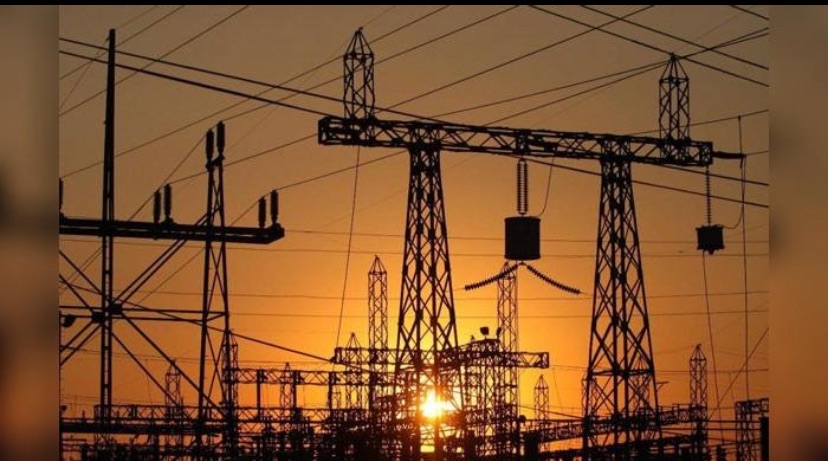
The country’s electricity sector is another area that requires continued reform. Although power generation capacity has improved over the years, many consumers still experience frequent outages due to transmission and distribution challenges. Investments in modern power infrastructure, smart metering, and upgraded transmission lines could help reduce energy losses and improve electricity delivery across the country.
Private sector participation is expected to remain a major driver of growth. Energy companies are investing in oil production, gas development, renewable projects, and electricity distribution. These investments are creating new opportunities for local businesses, contractors, engineers, and technology providers. As competition increases, consumers could also benefit from improved services and innovative energy solutions.
The energy transition presents another important opportunity. Around the world, governments and businesses are investing in cleaner technologies to reduce carbon emissions. Nigeria is gradually positioning itself to benefit from this shift by promoting cleaner fuels, electric mobility, and renewable energy projects. While oil will remain an important part of the economy for years to come, diversifying the energy sector could strengthen long-term economic stability.
Financing remains one of the biggest challenges facing the industry. Large-scale energy projects require billions of dollars in investment, while investors continue to seek stable regulations, transparent policies, and long-term certainty before committing funds. Experts believe stronger collaboration between government, private investors, and international financial institutions will be essential to unlock future growth.
Technology is also expected to reshape the sector. Artificial intelligence, digital monitoring systems, smart grids, and automated operations can improve efficiency, reduce maintenance costs, and strengthen energy security. These innovations are already being adopted by leading energy companies worldwide and could help Nigeria modernize its energy infrastructure.
Looking ahead, the future of Nigeria’s energy sector will depend on consistent reforms, strategic investments, and innovation. If these efforts continue, the country could build a more reliable, diversified, and sustainable energy industry that supports economic growth, attracts investors, creates jobs, and improves the quality of life for millions of Nigerians.