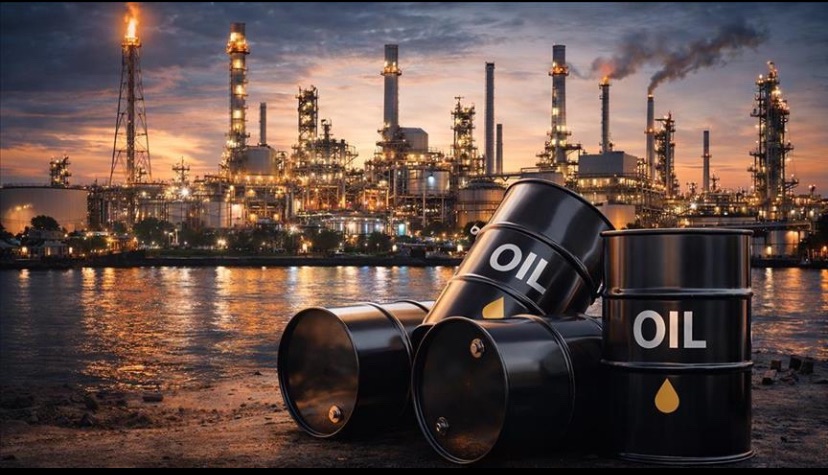

Oil prices are among the most closely watched numbers in the global economy because they influence the cost of transportation, electricity, manufacturing, and everyday goods. Whether prices go up or down, businesses, governments, and households often feel the impact.
Crude oil is the raw material used to produce petrol, diesel, aviation fuel, plastics, chemicals, and many other products. As a result, changes in oil prices can affect almost every sector of the economy. When oil becomes more expensive, the cost of producing and transporting goods usually increases. Many companies pass these extra costs on to consumers through higher prices.
For countries like Nigeria, oil plays an even bigger role. As one of Africa’s major oil producers, Nigeria earns a significant portion of its foreign exchange and government revenue from crude oil exports. Higher oil prices can increase national income, improve government finances, and strengthen foreign exchange reserves. This may provide more resources for infrastructure projects, healthcare, education, and other public services.
However, higher oil prices are not always good news. If fuel prices rise sharply, transportation costs increase, making it more expensive to move goods across the country. Businesses often spend more on logistics, generators, and production, leading to higher prices for food, clothing, and other everyday items. This can contribute to inflation, reducing consumers’ purchasing power.
On the other hand, falling oil prices can reduce fuel costs for businesses and households, making transportation and production cheaper. Lower energy costs may encourage companies to expand operations and hire more workers. Consumers may also have more money to spend on other goods and services.
But lower oil prices can create challenges for oil-exporting countries. Governments may receive less revenue from crude oil sales, forcing them to reduce spending or borrow more money. This can affect public projects and economic growth if alternative sources of income are not strong enough.
Oil prices are influenced by many factors, including global demand, supply levels, geopolitical tensions, production decisions by major oil-producing countries, natural disasters, and economic growth. Events such as wars, trade disputes, or production cuts can quickly push prices higher, while weak global demand or increased production may cause prices to fall.
Businesses closely monitor oil prices because they directly affect operating costs and profit margins. Airlines, shipping companies, manufacturers, and logistics firms are especially sensitive to fuel costs. Retailers may also adjust product prices depending on transportation expenses.
Investors also pay attention to oil prices because they can influence stock markets, currencies, and investment decisions. Rising oil prices may boost the profits of energy companies, while declining prices can benefit industries that rely heavily on fuel.
Experts say countries that diversify their economies are better prepared to handle swings in oil prices. Expanding sectors such as agriculture, technology, manufacturing, and services can reduce dependence on oil revenue and create more stable economic growth.
Although oil prices constantly change, their influence extends far beyond petrol stations. From the cost of groceries to business profits and government budgets, oil remains one of the world’s most important economic drivers. Understanding why oil prices matter helps consumers and businesses make smarter financial decisions in an ever-changing global economy.