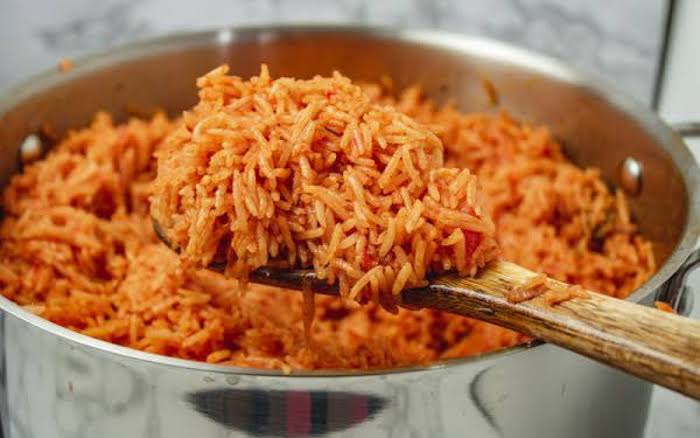

The cost of preparing a pot of jollof rice in Nigeria fell by ₦3,400 between June and September, but the reduction has done little to ease the pressure on households whose incomes are struggling to keep up with living expenses.
The average cost dropped from ₦29,578 to ₦26,178, representing an 11.5% decline, according to the October 2026 Jollof Index published by SBM Intelligence. However, a recording error involving curry and thyme prices in Ibadan markets overstated the reduction. Correcting the error puts the decline at 8.5%, with the average cost estimated at about ₦27,055.
In a report published on Wednesday, October 21, 2026, TheCable said the research firm attributed the decline mainly to falling prices of chicken, beef and vegetable oil, alongside improved supplies of tomatoes and red peppers.
Despite the quarterly improvement, preparing the meal remained 5.8% more expensive than in September 2025 and approximately 540% above the ₦4,087 recorded when the index began in July 2016.
The figures highlight the difference between falling food prices and improved affordability. A meal becoming cheaper than it was three months earlier does not necessarily mean households can comfortably afford it, particularly when other essential expenses remain high.
The national minimum wage is ₦70,000 a month. At the unadjusted September cost of ₦26,178, one pot of jollof rice would consume about 37.4% of that monthly salary, leaving ₦43,822 for rent, transportation, electricity, school fees, healthcare and other expenses.
BusinessDay reported on October 21, 2026, that the cost of the meal represented more than a third of the minimum wage, illustrating the burden facing low-income earners.
The latest decline was driven by lower prices of ingredients used to prepare the meal. Chicken prices fell by a combined ₦9,700 across the markets surveyed between June and September, while vegetable oil dropped by ₦7,350 and beef declined by ₦4,100. Tomatoes and red peppers recorded reductions of ₦2,600 and ₦2,650, respectively.
The report linked the poultry price decline partly to cheaper animal feed, the reopening of previously closed farms and improved availability of day-old chicks. Seasonal harvests also helped increase supplies of some vegetables.
However, the relief varied considerably across the country.
Lagos recorded the sharpest decline, with the cost of preparing jollof rice at Trade Fair and Balogun markets falling 35.6% to ₦22,350 from ₦34,700 in June. Kano recorded a 9.4% reduction to ₦23,400, while Abuja’s Wuse II market saw a 4.8% decline to ₦27,800.
Port Harcourt moved in the opposite direction, with the cost rising 2.6% to ₦32,000 from ₦31,200. Flooding that affected farms and disrupted food supplies contributed to the increase, according to the report.
Calabar remained among the most expensive locations surveyed. The cost reached ₦34,600 in Calabar Municipal and ₦34,500 in Bayside Mbakpa, representing year-on-year increases of 35.7% and 35.3%, respectively.
The index tracks 12 ingredients used to prepare jollof rice across 13 Nigerian markets. Its latest findings show that improvements in food supply can bring prices down, but the benefits are neither uniform across locations nor necessarily sufficient to restore household purchasing power.
SBM Intelligence warned that the decline could be temporary because it was supported by seasonal harvests and changes in poultry production costs.
For households, the central challenge remains the relationship between earnings and the cost of meeting basic needs. Even when some food prices fall, high transportation costs, rent, school fees and electricity bills can limit the money available for meals.
The latest figures therefore offer evidence of a short-term easing in the cost of preparing jollof rice, rather than proof that Nigeria’s wider food affordability problem has been resolved.