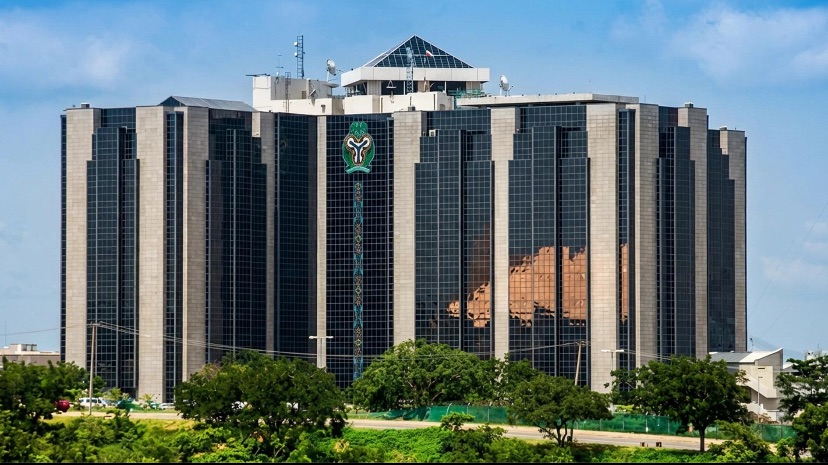

The Central Bank of Nigeria (CBN) has introduced a new set of guidelines to regulate how Bureau De Change (BDC) operators purchase foreign exchange from Authorised Dealer Banks. The move is aimed at improving transparency, boosting compliance, and increasing liquidity in Nigeria’s retail foreign exchange market.
As part of the new framework, the CBN has launched an electronic portal that will allow BDC operators and banks to process foreign exchange transactions more efficiently. The platform is expected to improve monitoring, reduce delays, and strengthen oversight of forex transactions across the country.
The new guidelines were announced in a circular dated July 15, 2026, and signed by the Director of the CBN’s Trade and Exchange Department, Aderinola Shonekan. According to the apex bank, the framework builds on an earlier policy introduced in February 2026, which allowed licensed BDCs to buy foreign exchange through Authorised Dealer Banks.
Under the updated rules, only BDCs with valid and active CBN licences will be allowed to access foreign exchange through the new system. Any operator facing licence suspension, regulatory sanctions, or operational restrictions will not be eligible until those issues are resolved.
The CBN also placed greater responsibility on Authorised Dealer Banks by requiring them to carry out proper Know Your Customer (KYC) and Customer Due Diligence (CDD) checks before processing forex requests. Banks must verify customer information, keep relevant documents, update records regularly, and conduct enhanced checks on operators considered high-risk.
According to the new framework, banks must not release foreign exchange to any BDC that fails to meet the required compliance standards.
To improve transparency, the CBN has created a central Foreign Exchange BDC Purchase Tracker (FXBT). Through this electronic platform, BDC operators will register and submit real-time or same-day information on every foreign exchange purchase. The system will help the regulator monitor transactions more effectively and prevent abuse.
The apex bank also stated that BDC operators are free to choose any Authorised Dealer Bank when buying foreign exchange. Banks are not allowed to force BDCs to use their services exclusively or charge referral fees that limit competition.
To improve efficiency, banks must acknowledge every forex purchase request within two business hours. They are also required to inform applicants electronically whether their request has been approved or rejected. If a request is denied, the bank must clearly explain the reason, which may include incomplete KYC documents, exceeding the weekly purchase limit, unresolved compliance concerns, or internal risk assessments.
The CBN maintained a weekly foreign exchange purchase limit of $150,000 for each licensed BDC. The bank also introduced strict settlement rules, requiring all forex transactions to pass through accounts held with licensed financial institutions.
The new policy prohibits third-party transactions. Foreign exchange purchased by a BDC must be credited only to its registered settlement account. Any transfer to another account will be treated as a violation and reported to the CBN.
In addition, BDC operators are no longer allowed to keep unused foreign exchange purchased through the Nigerian Foreign Exchange Market (NFEM). Any unused balance must be sold back into the market within 24 hours after the approved utilisation period ends.
Failure to comply with this requirement could result in serious penalties, including suspension from the forex market, forfeiture of unused funds, or even licence withdrawal.
Licensed BDCs are also expected to continue submitting weekly electronic reports to the CBN. These reports must include details of forex purchases, sales to customers, unused balances, and settlement records.
The CBN warned that any bank or BDC found violating the new guidelines could face monetary fines, suspension from the forex market, licence revocation, or referral to law enforcement agencies where criminal activity is suspected.
According to the apex bank, the new framework is designed to strengthen confidence in Nigeria’s foreign exchange market, improve accountability, and ensure that forex transactions are conducted in a transparent and well-regulated environment.