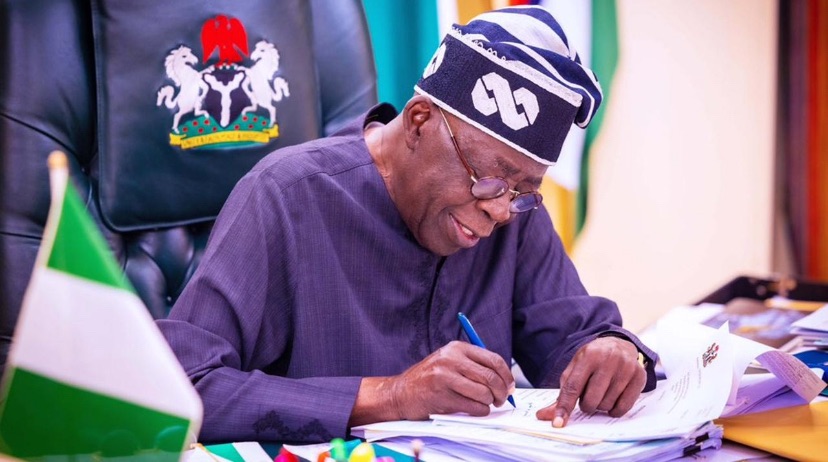

President Bola Tinubu has signed a new Executive Order aimed at improving the regulation of virtual assets in Nigeria. The new law, known as the Presidential Executive Order on Virtual Assets Coordination, 2026, is designed to create a clear and unified system for overseeing digital assets such as cryptocurrencies and blockchain-related services.
According to a statement released on Friday by the President’s Special Adviser on Information and Strategy, Bayo Onanuga, the order takes effect immediately. It introduces a new Virtual Asset Council, which will bring together major government agencies to strengthen regulation, improve cooperation, and protect Nigerians using digital financial services.
The Federal Government said the new framework is necessary because virtual assets now affect different parts of the economy, including payments, investments, securities, and digital currencies. In the past, different agencies handled separate aspects of the industry, creating gaps in regulation that allowed some unregistered operators to avoid supervision.
Officials believe these loopholes exposed many Nigerians to online fraud, financial scams, cybercrime, money laundering, terrorism financing, and data privacy risks. The new council is expected to close these gaps by ensuring all relevant agencies work together under one coordinated system.
The Central Bank of Nigeria (CBN) will lead the council as chairman, while the Nigeria Revenue Service (NRS) and the Securities and Exchange Commission (SEC) will serve as vice-chairmen. Other members include the Nigerian Financial Intelligence Unit (NFIU) and the Office of the National Security Adviser (ONSA), alongside other government agencies responsible for financial regulation and national security.
One of the council’s key responsibilities will be to develop policies that encourage responsible innovation while protecting the country’s financial system. It will also work with the Office of the Attorney-General of the Federation to create a stronger legal framework that supports the growth of the virtual asset industry without compromising security.
The Executive Order also establishes a Virtual Asset Office, which will operate from the Central Bank of Nigeria. This office will serve as the council’s operational centre, handling information sharing, regulatory applications, and reporting through a modern digital supervision platform. Although agencies will share information, each organisation will continue to control its own data.
Where there is confusion about which agency should regulate a particular virtual asset activity, the council will make the final decision. This is expected to reduce delays and eliminate overlapping responsibilities between government institutions.
As part of the reforms, the CBN will introduce a regulatory sandbox, allowing approved companies to test new blockchain technologies, cryptocurrency products, and other digital financial services under government supervision before they are made available to the public.
The Federal Government also revealed that work is almost complete on a Virtual Assets White Paper, which will outline Nigeria’s long-term strategy, policy goals, and regulatory plans for the digital asset sector.
To ensure quick implementation of the new policy, President Tinubu has directed the Virtual Asset Council to prepare a Harmonised Implementation Framework within 30 days. The document will guide all participating agencies on how to carry out the provisions of the Executive Order and ensure the new regulatory system begins operating efficiently.