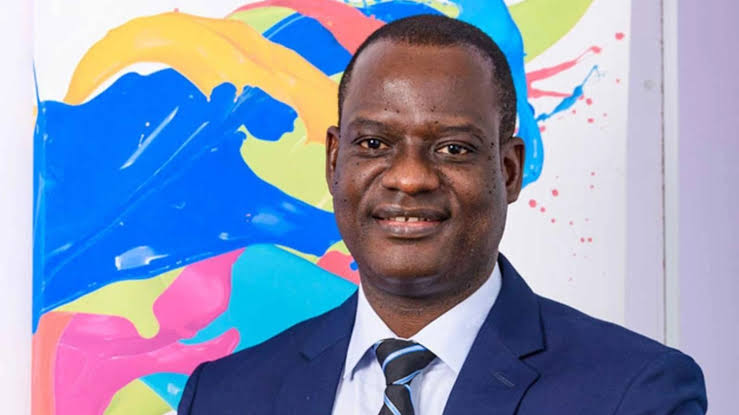

Nigeria could add more than $100 billion to its economy by making it easier for businesses and individuals to access credit, according to the Coordinating Minister of the Economy and Minister of Finance, Taiwo Oyedele. He shared this during the BusinessDay CEO Forum in Lagos while explaining the Federal Government’s plan to grow Nigeria’s economy to $1 trillion by 2030.
Oyedele said the government has developed a detailed roadmap that identifies the major sectors expected to drive economic growth. These include technology, agro-processing, energy, manufacturing, and financial services. The plan also outlines the steps to be taken, who is responsible, when they should be completed, and the expected economic benefits.
He acknowledged that many people doubt Nigeria can achieve a $1 trillion economy within the next few years. However, he insisted the target is realistic because it is backed by careful planning and practical reforms rather than empty promises.
According to him, expanding the country’s credit system alone could generate more than $100 billionin additional economic value. He explained that easier access to loans would help businesses grow, encourage investments, and create more employment opportunities across different industries.
The minister said the current administration has moved beyond restoring economic stability and is now concentrating on reforms that will improve productivity, attract investment, and ensure that economic growth benefits more Nigerians.
Reflecting on the forum’s theme, “From Stability to Shared Prosperity,” Oyedele noted that the government’s earlier challenge was restoring confidence in the economy. He said the focus has now shifted to ensuring that businesses, workers, and families enjoy the benefits of those reforms through better jobs, higher incomes, and improved living standards.
He explained that when President Bola Tinubu’s administration came into office, it faced major economic problems, including multiple foreign exchange rates, an expensive fuel subsidy system, weak public finances, and a tax structure that placed heavy burdens on businesses while generating limited revenue.
Oyedele said several reforms introduced over the past two years have started producing positive results. These include the unification of the foreign exchange market, fiscal reforms, tax improvements, and efforts to rebuild Nigeria’s foreign reserves. He added that despite global economic challenges, Nigeria recorded double-digit GDP growth in U.S. dollar terms in 2025 and is expected to maintain similar growth this year.
He also stated that inflation is gradually declining, the foreign exchange market has become more stable, external reserves are improving, and international investors are showing renewed interest in Nigeria. According to him, global rating agencies have also recognized the country’s economic progress.
Despite these achievements, Oyedele stressed that economic stability alone is not enough. He explained that real prosperity comes when stability attracts investments, investments increase productivity, productivity creates jobs, and jobs improve the income and living standards of citizens.
Looking ahead, he said the next phase of reforms will focus on improving productivity, increasing government revenue, and promoting inclusive economic growth. The government plans to expand broadband infrastructure, support digital exports, encourage local agricultural processing, strengthen energy supply through gas and renewable energy projects, boost manufacturing, and improve access to finance through stronger capital markets.
Oyedele also highlighted early successes from recent tax reforms. He revealed that the Corporate Affairs Commission has reported an average of 10,000 informal businesses registering every day, largely because many small businesses are now exempt from paying certain taxes. He said helping these businesses gain access to training, affordable financing, and management support would further increase economic growth.
He added that the Ministry of Finance and the Central Bank of Nigeria are working together to improve coordination between fiscal and monetary policies, which is expected to strengthen investor confidence.
Finally, Oyedele called on the private sector to play an active role in Nigeria’s economic transformation. He said the country’s future growth would depend not only on government policies but also on businesses investing, innovating, and creating opportunities that will help build a stronger and more prosperous economy.