
Nigeria’s ongoing electricity problems are hurting businesses, increasing production costs, and slowing economic growth, according to power advocacy group PowerUp Nigeria. The group has urged the Federal Government to urgently improve the country’s national grid, saying frequent power failures have become a major obstacle to industrial development.
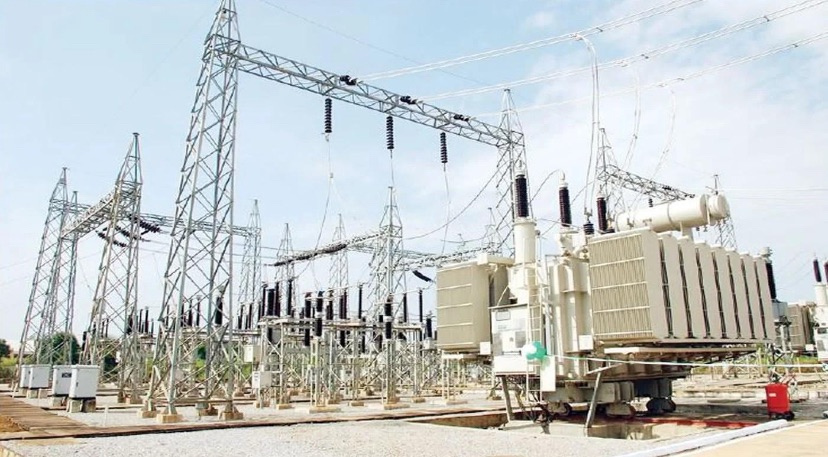
The Executive Director of PowerUp Nigeria, Adetayo Adegbemle, said the country’s electricity crisis is no longer just about a lack of power generation. Instead, he believes the real issue is the weak and unreliable national grid, which has suffered repeated collapses over the years.
He noted that the grid recorded more than 220 failures between 2010 and 2022, with several additional collapses occurring in 2024 and 2025. According to him, these repeated breakdowns show years of neglect and poor investment in a system that is critical to Nigeria’s economy.
Adegbemle explained that unreliable electricity has forced many manufacturers to stop depending on the national grid. Instead, they now generate their own electricity using diesel, petrol, or gas-powered generators. He said this has greatly increased production costs and reduced confidence in the country’s electricity market.
According to him, over 60 percent of manufacturing companies have already left the national grid. He added that businesses now spend more than N45 trillion every year on self-generated power. He argued that if this money had been invested in improving electricity transmission and grid stability, Nigeria’s power sector would be in a much stronger position.
He warned that the situation is affecting not only businesses but also the financial health of companies operating within the electricity value chain. He described the issue as an economic challenge that is reducing Nigeria’s competitiveness and discouraging industrial growth.
Although Adegbemle acknowledged the reforms introduced under the Electricity Act 2023, he said they have not yet produced the stable electricity supply Nigerians were expecting. He also questioned whether creating the proposed Grid Asset Management Company would solve the deeper problems affecting the sector.
According to him, the industry still struggles with weak commercial agreements, poor gas supply, and payment challenges that prevent electricity generation companies from operating efficiently.
He also advised the government to strengthen the national grid before focusing heavily on renewable energy projects. Without a reliable transmission system, he said the country may struggle to fully benefit from clean energy investments.
Drawing examples from South Africa and Egypt, Adegbemle said both countries have shown that reliable electricity is possible through consistent reforms, transparency, and strong leadership. He stressed that Nigeria’s biggest challenge is not a lack of money or technical knowledge but poor implementation of policies and weak accountability.
To address the crisis, he called on the Federal Government to encourage industries to reconnect to the national grid by introducing attractive electricity tariffs, reliable power supply guarantees, and other incentives. He also urged increased investment in transmission infrastructure and greater independence for the Nigerian Independent System Operator.
Adegbemle concluded that Nigeria’s power sector can only improve if the government consistently implements reforms and holds relevant institutions accountable for delivering results.