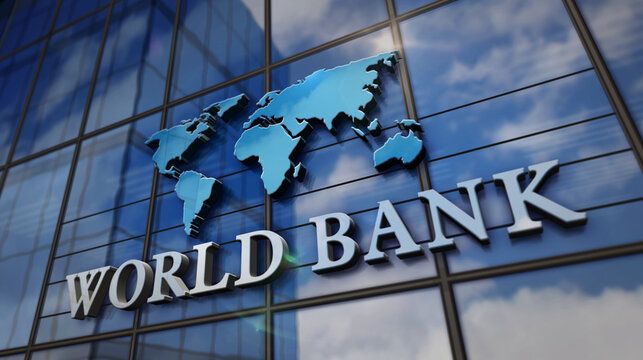

Twenty Nigerian states are set to receive a combined $27 million from the World Bank under a performance based funding arrangement aimed at improving governance and public service delivery across the country.
The funding falls under the Human Capital Opportunities for Prosperity and Equity Governance Programme, widely known as the HOPE Governance Programme. The initiative focuses on encouraging reforms in critical sectors such as healthcare, education, and public financial management. According to reports, only states that met specific reform targets qualified for the disbursement.
The announcement was made in Abuja during a retreat attended by Commissioners, Permanent Secretaries, and Directors of Budget and Planning from across the federation. The National Coordinator of the programme, Dr. Assad Hassan, explained that the grants were tied directly to measurable results achieved by participating states.
Five states emerged as the highest performing under the programme and secured the largest share of the incentives. Their performances were assessed through recommendations from an Interim Independent Verification Agent responsible for evaluating whether the states successfully met the programme’s reform indicators.
The programme reflects a growing shift in development financing where access to funds is increasingly linked to performance rather than promises. Instead of allocating resources without accountability, performance based systems reward states that demonstrate improvements in governance, budgeting, healthcare delivery, and education management.
For Nigeria, this approach could create stronger competition among states and encourage more transparency in the management of public resources. States seeking future support may now be pushed to improve planning, data management, and execution of public sector reforms in order to qualify for additional funding opportunities.
The HOPE Governance Programme also highlights the World Bank’s continued involvement in Nigeria’s reform agenda despite ongoing concerns surrounding rising debt levels and dependence on external financing. In recent months, the World Bank has remained active in supporting different sectors of the Nigerian economy through governance, infrastructure, and social investment programmes.
While the $27 million disbursement may appear modest when compared to the country’s wider economic challenges, the significance lies in the structure of the funding itself. It sends a message that measurable results and institutional reforms are becoming central conditions for accessing international support.
For many observers, the success of the initiative will depend on whether these reforms produce visible improvements in healthcare services, education systems, and public accountability at the state level. If properly implemented, the programe could strengthen governance standards and encourage a more results driven culture within public institutions across Nigeria.