
At least four people were killed and several others injured on Sunday in Cameroon’s commercial hub, Douala, as security forces clashed with protesters demanding transparency in the country’s disputed presidential election. The violence followed calls by opposition leader Issa Tchiroma Bakary for citizens to “defend their vote” amid claims that he had won the 12 October election, a result yet to be officially confirmed.
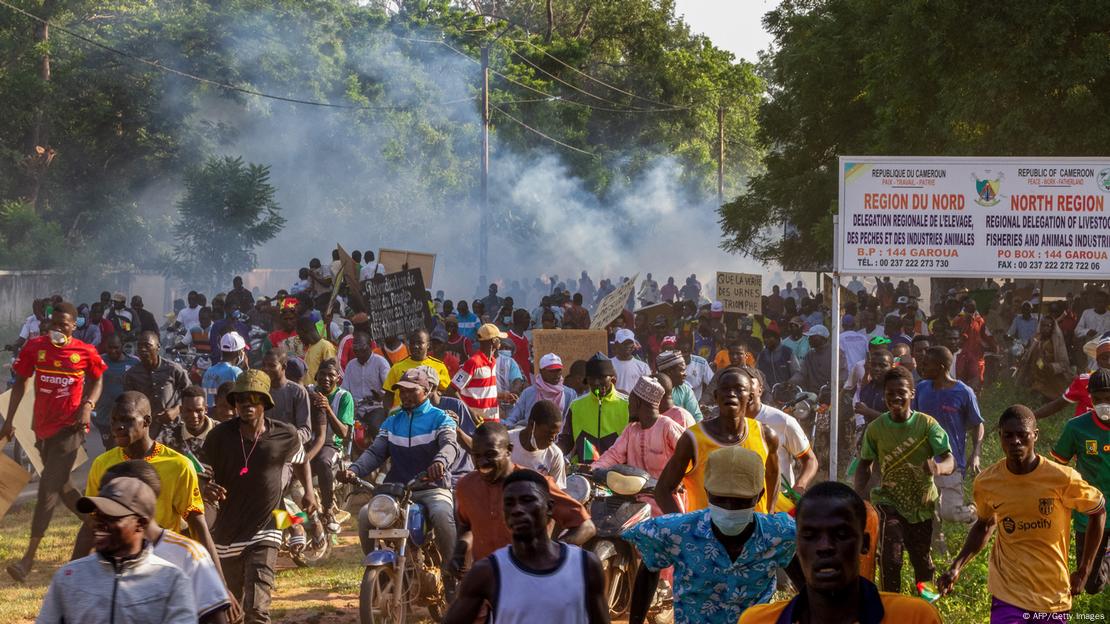
Witnesses said hundreds of demonstrators, mostly young people, took to the streets waving opposition flags and chanting slogans accusing the government of manipulating the vote. Protesters marched through key areas such as Akwa and Bonanjo before security forces intervened, firing live ammunition and tear gas to disperse the crowd. By evening, at least four people had been confirmed dead, while dozens were treated for injuries in nearby hospitals.
As word of the clashes spread, similar protests erupted across northern and eastern cities, including Garoua, Maroua, Meinganga, Kaélé, and Bertoua, highlighting the widening scope of unrest. Local reports suggest that arrests were made in several towns, though the government has yet to release an official casualty figure or comment on the scale of the demonstrations.
Tensions Ahead of Results Announcement
The protests come on the eve of the official release of election results, expected Monday, with observers warning that the situation could deteriorate further if the outcome is contested. The electoral commission has not provided updates since preliminary counting ended last week, fuelling speculation and mistrust among opposition supporters.
Issa Tchiroma Bakary, a former communication minister and once an ally of the ruling elite, has positioned himself as a reformist voice promising generational change. His campaign has claimed victory based on “collated results from polling centres nationwide,” though these figures have not been independently verified. In a brief statement late Sunday, Tchiroma urged supporters to “remain calm but vigilant,” insisting that “the people’s will must be respected.”
The ruling party, led by long-time incumbent President Paul Biya, who has governed since 1982, has dismissed the opposition’s claims as “premature and irresponsible,” warning that any attempt to disrupt public order would be met with firmness.
Historical Context and Political Fatigue
Cameroon’s elections have long been marred by controversy, with allegations of vote rigging, limited press freedom, and the use of state institutions to entrench power. The 91-year-old Biya, one of Africa’s longest-serving leaders, remains a deeply polarising figure. While his supporters credit him with maintaining stability in a region plagued by insurgencies, critics accuse his government of repression, corruption, and failure to address deep-seated inequality.
The 2025 election took place against a backdrop of mounting economic hardship, youth unemployment, and regional insecurity, particularly in the Anglophone regions, where separatist tensions persist. For many Cameroonians, frustration over rising prices, power shortages, and limited job prospects has amplified demands for political change.
Economic and Social Undercurrents
Beyond the political implications, the unrest is already taking a toll on Cameroon’s economy. Douala, the country’s economic engine and gateway for Central African trade, saw businesses shut down and public transport paralysed as protests intensified.
Economists warn that if instability spreads, it could further dampen investor confidence and disrupt supply chains in a country already grappling with inflation and sluggish growth. Cameroon’s private sector has been struggling under high energy costs and currency pressure, and prolonged unrest could worsen unemployment, especially among the youth — a group that forms both the backbone of the protests and the workforce.
Uncertain Days Ahead
As the nation awaits Monday’s official results, tensions remain high, with the African Union and regional observers urging calm and restraint. Civil society groups have appealed for dialogue, warning that excessive force by security agencies could inflame public anger.
Whether the coming days bring acceptance or escalation may hinge on the transparency of the electoral commission and the government’s willingness to address opposition concerns. For now, Cameroon stands at a crossroads, between the familiar cycle of post-election unrest and a rare opportunity to steer the country toward political renewal.
For ordinary citizens like those in Douala’s markets or Maroua’s dusty streets, the hope is simple: that peace, not politics, will prevail, and that the right to be heard will not come at the cost of more lives.