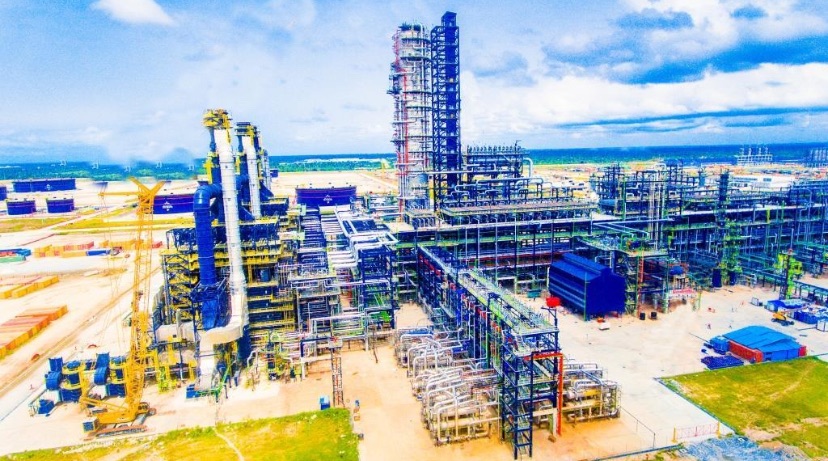

Dangote Petroleum Refinery has strongly denied claims that fuel exported from its facility is being shipped to Togo and then re-imported into Nigeria by local marketers.
The company described the allegation as misleading, unfounded, and lacking evidence. In a statement released by its management, the refinery said the claim does not match available trade data, business realities, or the way its operations are structured.
According to the refinery, one of its major goals is to improve fuel supply within Nigeria and reduce the country’s dependence on imported petroleum products. The company stressed that it would make no business sense to support any arrangement that allows imported fuel to compete with products refined locally.
Dangote Refinery explained that all its export agreements and sales contracts clearly forbid buyers from reselling or re-importing its products into Nigeria. It added that strict measures are in place to monitor where products are shipped and sold.
The company also questioned the economic logic behind the reported trade route. It stated that transporting fuel from Nigeria to Lomé, Togo, and then bringing it back into Nigeria would cost between $82 and $90 per metric tonne. Such expenses, according to the refinery, would significantly reduce profits and make the process commercially unattractive.
Management further stated that it does not offer export discounts large enough to cover those extra transportation and handling costs. As a result, there would be little or no financial advantage for traders engaging in such transactions.
The refinery emphasized that it keeps detailed records of all fuel shipments, including loading locations, vessels used, buyers involved, and declared destinations. These tracking procedures are designed to ensure transparency and accountability throughout the supply chain.
The company maintained that any suggestion that it knowingly allows or encourages the re-importation of its products goes against its business policies and compliance standards. It added that supporting such activities would undermine Nigeria’s local refining efforts, weaken industrial growth, and increase pressure on the country’s foreign exchange reserves.
The reaction followed comments made by Matthew Tracey-Cook of S&P Global Energy during a webinar organized by the Major Energies Marketers Association of Nigeria. During the event, he stated that a large percentage of petroleum products imported into Nigeria between March and May originated from Dangote Refinery and were routed through the Lomé trading hub.
According to Tracey-Cook, between 70 and 80 percent of imported fuel volumes during that period reportedly came from Dangote products that had first been exported and later returned to Nigeria.
The issue is not entirely new. In 2025, some fuel importers alleged that Dangote sold petrol to international traders at prices significantly lower than those offered to Nigerian marketers. Industry groups at the time claimed that this pricing difference allowed traders to buy fuel abroad and still profit from bringing it back into Nigeria.
However, Dangote Refinery denied those accusations and insisted that it does not sell fuel cheaper in foreign markets than in Nigeria.
The refinery continues to advocate for reduced fuel imports and is currently involved in legal efforts aimed at limiting the importation of petroleum products into the country.