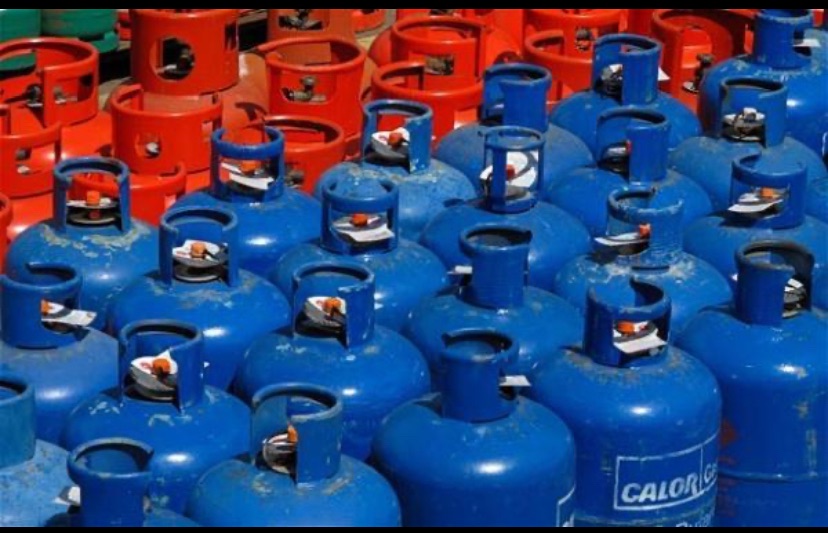

Nigeria has increased the importation of Liquefied Petroleum Gas (LPG), popularly known as cooking gas, as authorities and marketers work to address supply shortages and reduce the burden of rising prices on consumers.
Recent data released by the Nigerian Midstream and Downstream Petroleum Regulatory Authority (NMDPRA) revealed that marketers imported 16,642.66 metric tonnes of cooking gas between June 1 and June 19, 2026. The imports formed part of the 95,769.26 metric tonnes of LPG supplied to the domestic market during the same period.
The figures were disclosed during an emergency stakeholders’ meeting convened by the Minister of State for Petroleum Resources (Gas), Ekperikpe Ekpo, to discuss the continued increase in cooking gas prices across the country.
According to the NMDPRA, four imported LPG cargoes arrived in Lagos within the review period. Algasco LPG imported 2,047 metric tonnes on June 1, while Rainoil Limited brought in 7,696.45 metric tonnes on June 15. Algasco later received an additional 3,900.63 metric tonnes on June 18 and 2,998.58 metric tonnes on June 19.
The increase in imports comes at a time when domestic production has struggled to fully meet growing demand. In recent weeks, many retailers reported shortages, while consumers complained about the high cost and limited availability of cooking gas. In some areas, households were forced to switch to charcoal and firewood as alternatives for cooking.
Despite these challenges, there are signs that government interventions are beginning to improve supply conditions. The NMDPRA reported that average daily LPG supply increased to 5,040 metric tonnes in June, compared to 4,262 metric tonnes per day recorded in May.
The regulator also stated that Nigeria’s LPG stock level stood at 85.87 million kilograms as of June 21, providing about 22 days of supply coverage. This represents a significant improvement from the previous level of 11 days, following consultations with gas producers, terminal operators and marketers.
However, consumers are yet to fully benefit from the improved supply situation. Across several regions, cooking gas prices remain far above the regulator’s recommended benchmarks. In the South-West, prices currently range between N1,600 and N2,100 per kilogram, while consumers in other parts of the country also face similarly elevated costs.
The NMDPRA attributed the high prices to excessive markups by some wholesalers and retailers, as well as infrastructure challenges that continue to affect efficient distribution. Other contributing factors include insufficient local supply, low import volumes in previous months and disruptions in the global energy market caused by tensions in the Middle East.
The authority also noted that a large portion of Nigeria’s LPG production is exported rather than supplied locally. Between January and May 2026, Nigeria consistently produced more cooking gas than was made available to domestic consumers. Notably, Chevron exported all 148,222 metric tonnes of LPG it produced during the period.
To improve availability and affordability, the regulator has proposed increased imports, stricter monitoring of the supply chain and the redirection of more locally produced LPG into the Nigerian market.
Further relief may be on the way, as an additional 44,100 metric tonnes of locally sourced LPG is expected before the end of June. Imported cargoes from Matrix LPG and Asharami Synergy are also scheduled to arrive in Delta and Cross River states.
Industry experts believe these measures could help stabilise the market and push prices lower in the coming weeks. Reports already indicate that cooking gas prices have started falling below N2,000 per kilogram in some locations, raising hopes that consumers may soon enjoy more affordable energy for household use.