
Nigeria is stepping up efforts to protect its poultry industry from the threat of bird flu through a new partnership with the Food and Agriculture Organization (FAO). The Federal Government has announced a $350,000 intervention aimed at improving the country’s ability to detect, prevent, and respond to outbreaks of Highly Pathogenic Avian Influenza (HPAI).
The initiative was unveiled during the inauguration of the FAO Technical Cooperation Programme Project on Strengthening HPAI Preparedness, Detection, and Response in Nigeria. The project is expected to improve disease surveillance, laboratory testing, risk communication, and coordination among key stakeholders under the One Health approach, which promotes collaboration between human, animal, and environmental health sectors.
As part of the programme, 240 animal health personnel across the country will receive specialized training over the next nine months. The training is expected to strengthen Nigeria’s frontline response to disease outbreaks and improve the capacity of veterinary professionals to manage emerging health threats.
Minister of Livestock Development, Idi Maiha, said the poultry industry remains one of the most important sectors of Nigeria’s livestock economy, contributing significantly to food production, employment, and economic growth. However, he noted that the industry continues to face serious challenges from transboundary animal diseases, especially avian influenza.
According to the minister, bird flu has remained a recurring problem since it was first recorded in Nigeria in 2006. The disease has resurfaced in recent years, affecting poultry farms of different sizes and creating challenges for food security, farmer livelihoods, and international trade.
Maiha emphasized that the government is concerned about the damaging impact of the disease on poultry production and rural incomes. He stressed the importance of collective action among government agencies, development partners, and industry stakeholders to reduce losses, strengthen food supply chains, and improve access to international poultry markets.
He also praised the FAO for supporting the project, describing the intervention as timely and aligned with the government’s broader efforts to strengthen disease prevention and livestock development.
Speaking on the issue, the Permanent Secretary of the Ministry of Livestock Development, Dr Chinyere Ijeoma Akujobi, represented by the Chief Veterinary Officer of Nigeria, Dr Samuel Anzaku, noted that Nigeria continues to record outbreaks of avian influenza despite progress made in disease control.
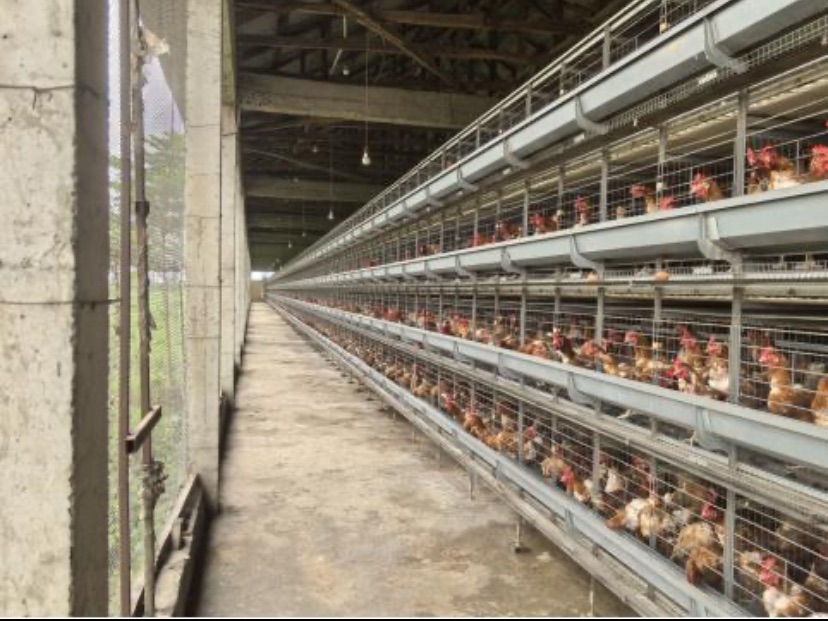
She explained that the disease now affects different bird species, with layer farms experiencing the greatest impact. These outbreaks have resulted in major economic losses for poultry farmers and disruptions across the poultry value chain.
FAO Representative Dr Otto Muhinda reaffirmed the organization’s commitment to helping Nigeria build a stronger and more resilient poultry sector. He stated that the project would enhance early detection systems, strengthen preparedness measures, and improve rapid response capabilities to limit the spread of the disease.
In addition to training animal health workers, the programme will support the development of predictive tools designed to identify risks earlier and improve planning against future outbreaks.
The government revealed that confirmed cases of avian influenza were recorded in Kebbi, Kano, Katsina, Plateau, and Bauchi states in 2026, highlighting the continued threat posed by the disease.
The intervention will be implemented in seven pilot states and will focus on strengthening surveillance systems, improving laboratory capacity, enhancing biosecurity practices, promoting public awareness, and ensuring faster response to outbreaks.
Officials believe the initiative will play a vital role in safeguarding livelihoods, improving food security, and protecting Nigeria’s poultry industry from future disease threats.