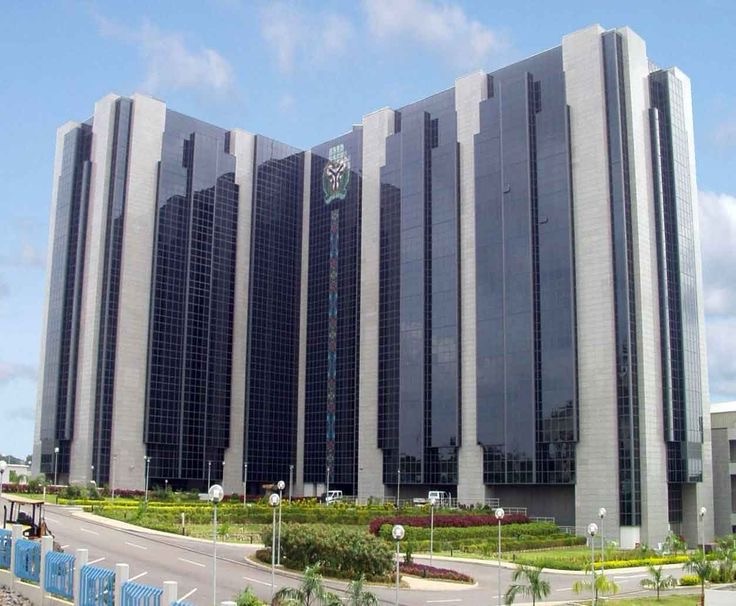

The Central Bank of Nigeria (CBN) has announced a major increase in the amount of foreign exchange Nigerian students can access for tuition payments while studying abroad. Under the new policy, the maximum amount that can be remitted for tuition fees has been raised from $15,000 to $25,000 per semester.
The change was introduced in the newly released fourth edition of the CBN Foreign Exchange Manual, which took effect on June 1, 2026. According to the apex bank, the adjustment is part of broader efforts to improve efficiency, transparency, and confidence in Nigeria’s foreign exchange market.
With the new guideline, Nigerian students enrolled in approved undergraduate and postgraduate programmes outside the country can now process tuition payments of up to $25,000 per semester through authorised dealer banks. The previous limit of $15,000 had been in place for years and applied to a maximum of two semesters per academic session.
To benefit from the revised policy, applicants must provide the required documentation when applying for foreign exchange. These documents include a completed Form “A,” proof of admission, a tuition fee schedule from the institution, a copy of the student’s international passport biodata page, and a valid student identification card for returning students.
For postgraduate students, the CBN also requires a first-degree certificate or a certified copy of the qualification before approval can be granted.
The bank clarified that tuition fees and maintenance allowances remain separate categories. Where a school combines tuition and living expenses in a single bill, the total approved amount will be paid directly to the educational institution.
However, for students whose accommodation and living expenses are handled separately, maintenance allowances will continue to be paid directly to the student. In such cases, the allowance is capped at $5,000 per quarter.
The revised policy is expected to provide relief for many Nigerian families facing rising tuition costs and foreign exchange challenges. Over the years, students and parents have complained about difficulties in accessing enough foreign currency to meet growing educational expenses abroad.
Despite the increase, the CBN maintained restrictions on certain educational levels. Nursery, primary, secondary, foundation, and A-Level programmes remain ineligible for foreign exchange remittances under the policy. The support is therefore limited to approved tertiary-level studies.
Beyond education-related payments, the new Foreign Exchange Manual introduced several other reforms aimed at easing business transactions and improving access to foreign currency. One of the notable changes is the increase in allowable advance payments for imports, which has been raised from 15 percent to 30 percent.
The CBN also updated its rules for Personal Travel Allowance (PTA) and Business Travel Allowance (BTA). Under the revised framework, travellers can receive 25 percent of their approved allowance in cash, while the remaining 75 percent must be processed electronically.
CBN Governor Olayemi Cardoso stated that the reforms are designed to strengthen confidence in the foreign exchange system, improve liquidity, and make transactions more efficient for individuals and businesses.
The latest adjustments highlight the CBN’s ongoing efforts to modernise Nigeria’s foreign exchange framework while addressing the changing needs of students, travellers, and businesses operating in a global economy.