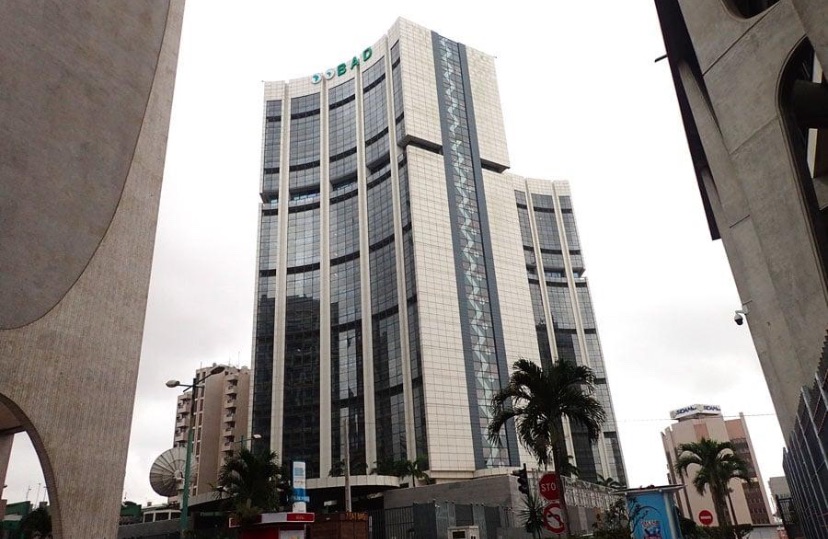

Africa has the potential to generate more than $469 billion in additional revenue every year without increasing tax rates, according to the African Development Bank (AfDB).
This was disclosed by the Chief Economist and Vice President for Economic Governance and Knowledge Management at the AfDB, Prof. Kevin Urama, during an interview with the News Agency of Nigeria (NAN) in Abuja.
Urama explained that African countries can significantly increase government revenue by improving the way taxes are collected and managed rather than imposing new taxes on citizens and businesses. He noted that stronger domestic revenue mobilisation remains one of the most reliable and sustainable ways for African nations to finance development projects and reduce dependence on external borrowing.
According to him, many countries across the continent are not fully benefiting from their existing tax systems because of inefficiencies, weak compliance, and outdated administrative processes. He said that adopting modern technology and global best practices in tax administration could help governments unlock billions of dollars in additional revenue.
Urama stressed that digitalising tax collection systems would improve transparency, reduce leakages, and make it easier for individuals and businesses to comply with tax obligations. He added that better public institutions and stronger governance structures would also play a key role in increasing tax compliance.
“We see that by improving tax administration through digitalisation and other reforms, and simply adopting best practices, the continent can mobilise more than $469 billion extra without increasing tax rates,” he said.
The economist pointed out that one of the major reasons many Africans are reluctant to pay taxes is the poor quality of public services. In many countries, citizens often have to provide basic amenities such as electricity, water supply, security, and road maintenance for themselves despite paying taxes.
As a result, there is often a lack of trust between citizens and governments, which affects willingness to comply with tax obligations. Urama said governments can address this challenge by improving service delivery, ensuring transparency in public spending, and demonstrating that tax revenues are being used responsibly.
He noted that when citizens see visible improvements in infrastructure, healthcare, education, and other public services, they are more likely to voluntarily pay taxes and support government revenue initiatives.
The AfDB is currently working with several African countries, including Nigeria, to strengthen domestic revenue collection. The bank is providing technical support and capacity-building programmes for national tax authorities to improve efficiency and modernise revenue systems.
Urama also revealed that the AfDB has developed a Public Service Delivery Index, a tool designed to help governments assess and improve the quality of services provided to citizens. The initiative aims to strengthen the relationship between governments and taxpayers while promoting accountability and trust.
Experts believe that if African countries successfully implement these reforms, they could unlock substantial financial resources needed for infrastructure development, economic growth, and poverty reduction without placing additional tax burdens on citizens.