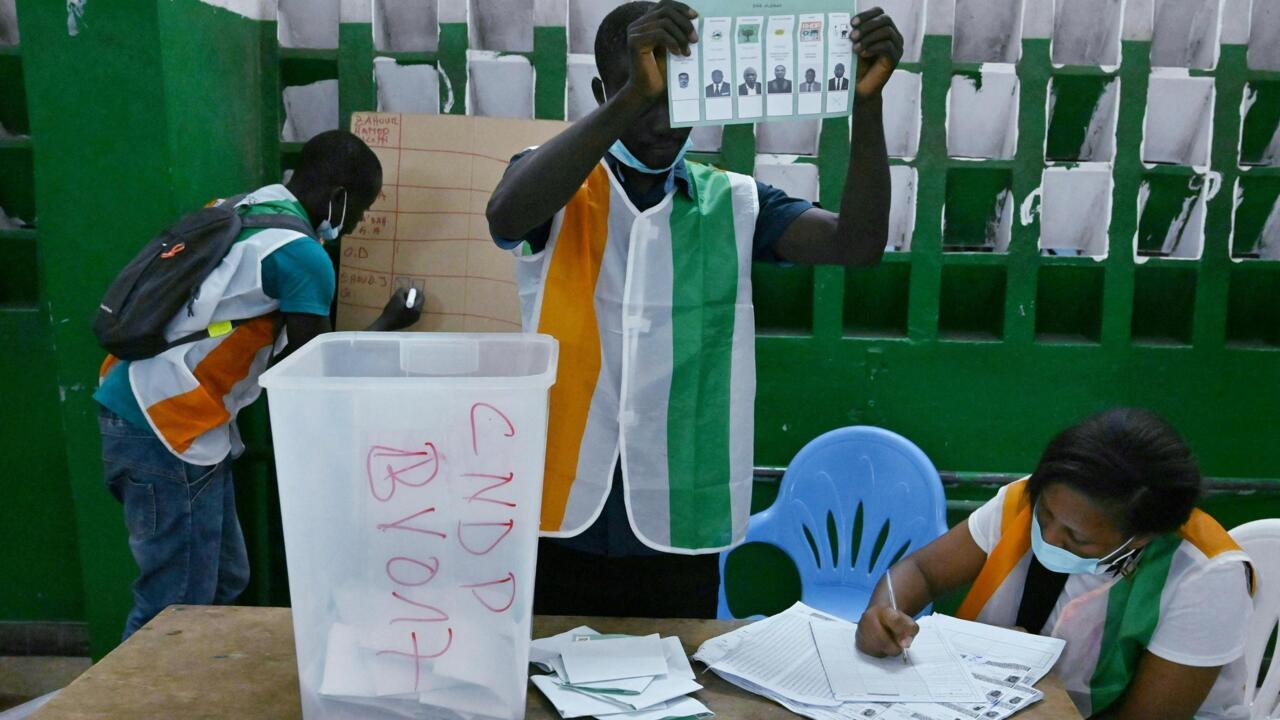

The Independent Electoral Commission (CEI) of Ivory Coast has announced the registration of at least 8.7 million eligible voters ahead of the country’s keenly anticipated presidential election, set to take place on Saturday, 25 October 2025. The electorate is composed of 52% men and 48% women, reflecting a near gender balance in participation as Ivorians prepare to elect their sixth president.
Five candidates have been cleared to contest the presidency, with incumbent Alassane Ouattara seeking another term after first assuming office in 2010. Ouattara’s candidacy has generated mixed reactions, with critics questioning the implications of his prolonged leadership for democratic renewal, while supporters point to his administration’s record of macroeconomic stability and infrastructure growth.
Among his challengers is Simone Gbagbo, leader of the Movement of Capable Generations (MGC) and former First Lady, who has re-emerged as a political force following her acquittal by the International Criminal Court. Gbagbo, once a dominant political figure alongside her late husband, ex-president Laurent Gbagbo, is campaigning on a platform of reconciliation and social justice. However, her dismissal from the race alongside Tidjane Thiam on allegations of financial misconduct and crimes against humanity had stirred controversy before the CEI later clarified her eligibility.
Other certified candidates include Jean-Louis Billon of the Democratic Party of Ivory Coast (PDCI), Ahoua Mello, and Henriette Lagou, who represents the Group of Political Partners for Peace Party. Billon, a businessman and former Minister of Commerce, has anchored his campaign on economic diversification and youth employment. Lagou and Mello, meanwhile, have positioned themselves as voices of reform and stability, calling for transparent governance and equitable development.
The CEI’s announcement signals the completion of a major step in Ivory Coast’s electoral calendar, as the West African nation continues its effort to strengthen democratic institutions following years of political turbulence. The 2025 election is viewed as a pivotal moment for the country, coming two decades after the 2002–2011 civil conflict that deeply divided the nation and reshaped its political landscape.
The upcoming vote will test the resilience of Ivory Coast’s democratic process and the independence of its electoral commission, which has faced criticism in the past over perceived bias and procedural lapses. Election observers are expected from the African Union (AU), the Economic Community of West African States (ECOWAS), and international partners to help ensure a credible and peaceful process.
Security has also been heightened in major cities, with authorities vowing to prevent a repeat of the violence that followed previous elections. The government has urged citizens to maintain calm and exercise their civic duty peacefully.
As campaigning intensifies, public discourse in Ivory Coast continues to revolve around economic inclusion, youth employment, and the need for national unity. The outcome of the 2025 poll is expected to shape the trajectory of the Ivorian democracy and its regional standing as one of West Africa’s leading economies.