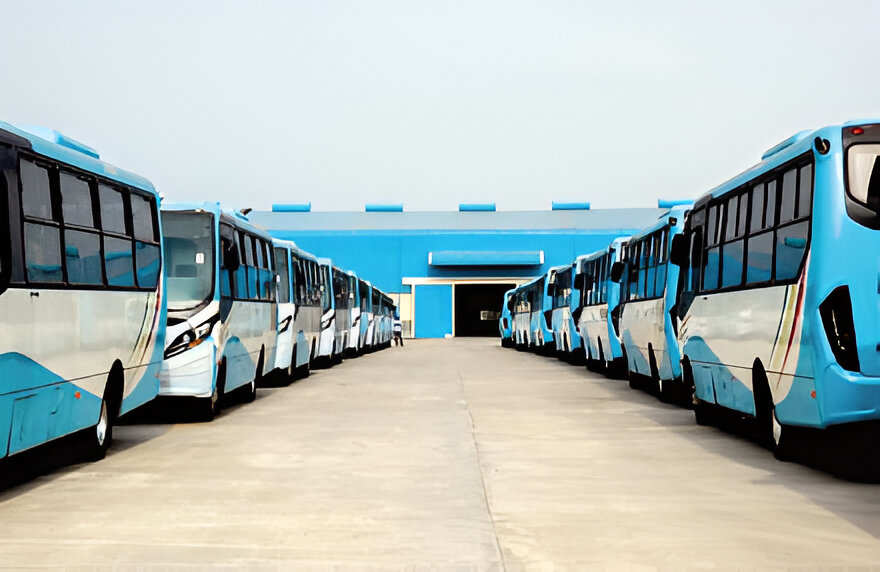

The Lagos Metropolitan Area Transport Authority (LAMATA) has announced a ban on the movement of goods and large cargo on regulated buses across Lagos beginning June 1, in a move aimed at improving passenger safety, operational efficiency, and commuter comfort within the state’s public transport network.
The directive applies to buses operating under the regulated transport system, including Bus Rapid Transit (BRT) vehicles and other franchise buses supervised by the state transport authority.
In a statement issued by the agency, LAMATA said the restriction forms part of broader efforts to enforce operational standards and reduce safety risks associated with carrying bulky items in passenger vehicles. The authority noted that the increasing use of public buses for transporting goods has contributed to overcrowding, delays, and passenger discomfort, particularly during peak travel periods.
Transport analysts say the move reflects growing pressure on Lagos’ already strained mobility infrastructure as the commercial hub continues to experience rapid urbanisation and population growth. Lagos, Africa’s most populous city, depends heavily on road-based transportation, with millions of residents relying daily on BRT corridors and informal transit systems.
Industry observers believe the policy could have short-term implications for informal traders and small-scale logistics operators who have increasingly used public buses as a low-cost distribution channel amid rising transportation costs. However, regulators argue that the primary responsibility of the regulated bus system is mass passenger movement rather than cargo delivery.
The decision also aligns with Lagos State’s broader transportation reform agenda, which seeks to improve reliability, reduce journey times, and strengthen safety compliance across public transit operations. Over the past decade, the state government has invested heavily in transport infrastructure, including dedicated BRT lanes, rail projects, and digital ticketing initiatives aimed at modernising urban mobility.
Commuters and transport stakeholders are expected to closely monitor enforcement of the new rule, particularly at major bus terminals and commercial corridors where traders often move goods alongside passengers.
While LAMATA did not specify the penalties for violations, transport operators are expected to receive compliance guidelines ahead of the June 1 implementation date.
The latest directive underscores the balancing act facing Lagos authorities as they attempt to improve transport efficiency in one of Africa’s fastest-growing megacities while managing the economic realities of residents navigating high inflation and elevated logistics costs.
For commuters, the measure could translate into improved seating availability and safer journeys. For informal businesses, however, it may accelerate the search for alternative and potentially more expensive delivery channels within Nigeria’s commercial capital.