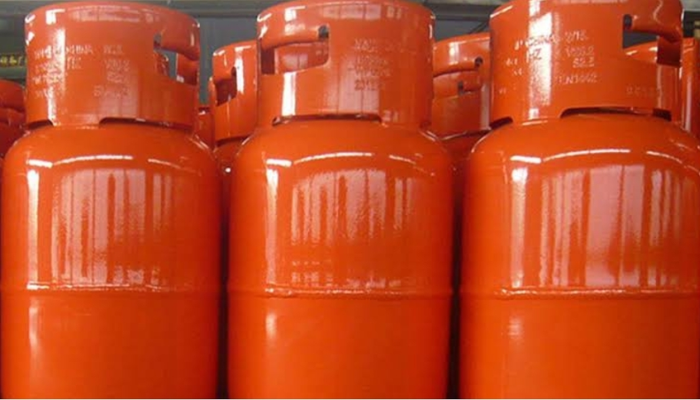

Nigeria’s households are finally catching a breath as the retail price of liquefied petroleum gas (LPG), popularly known as cooking gas, has fallen to around ₦1,400 per kilogram across major cities, offering rare relief after months of soaring energy costs.
The drop, confirmed by retailers in Lagos, Abuja, and Port Harcourt, comes after prices had climbed to as high as ₦1,800/kg in recent months.
Industry players attribute the decline to improved local supply, the strengthening of the naira, and lower international LPG prices.
Improved Supply and Naira Recovery Drive Decline
According to the Nigerian Association of Liquefied Petroleum Gas Marketers (NALPGAM), the price drop reflects a more balanced market, following increased vessel discharges from local terminals.
“We’ve seen more vessels discharging locally sourced gas, which has reduced the pressure on importers,” said Tunde Adelakun, a member of NALPGAM. “Retail prices now average between ₦1,350 and ₦1,450 per kilogram depending on location and transportation costs.”
For millions of Nigerians, the fall marks a welcome reprieve. Since the removal of fuel subsidies and the depreciation of the naira last year, the cost of energy—from petrol to diesel and electricity—has risen sharply. LPG, seen as a cleaner and more efficient option compared to firewood or kerosene, had become unaffordable for many low- and middle-income earners.
Data from the National Bureau of Statistics (NBS) shows that the average cost of refilling a 12.5kg cylinder rose from ₦9,000 in October 2023 to ₦16,000 by August 2025—a staggering 78 percent increase in less than two years.
Analysts say the latest decline could ease household pressure if sustained through the final quarter of the year.
Industry sources link the easing prices to better local production and distribution by key players such as Nigeria LNG Limited (NLNG), which supplies over 40 percent of domestic LPG needs. “NLNG’s increased domestic allocation and faster vessel turnaround have stabilised supply,” said a Lagos-based depot operator.
Global market factors have also played a role. International LPG prices, benchmarked against Mont Belvieu in the US, dropped by roughly 10 percent in September due to weaker demand and increased global output.