
The Federal Government is in talks with the World Bank over a fresh $1.25 billion loan package expected to support investment growth, job creation and major economic reforms across key sectors of the economy. The proposed facility, known as the Nigeria Actions for Investment and Jobs Acceleration programme, is designed to improve access to finance, electricity and digital services while also supporting reforms in agriculture, trade and taxation. The Federal Ministry of Finance is expected to supervise the implementation of the programme if approved.
According to information contained in a World Bank Programme Information Document obtained by Nairametrics, the loan is currently at the appraisal and negotiation stage, while a final approval is expected on June 26, 2026. The report explained that the facility is structured as a Development Policy Financing operation aimed at helping Nigeria move from economic stabilisation toward inclusive growth and employment generation.
Part of the document stated, “The proposed Development Policy Financing (DPF) supports reforms initiated by the Government aimed at pivoting from stabilization to inclusive growth and job creation. The $1.25 billion standalone operation builds on recent progress in restoring stability and underpins the Government’s shift toward an inclusive growth model.”
The World Bank noted that the programme would support Nigeria’s long term economic target of achieving seven percent growth through stronger private sector participation backed by government reforms. Under the first phase of the programme, attention will be placed on expanding access to finance, improving electricity supply and strengthening digital infrastructure. The reforms are expected to support the implementation of the Investment and Securities Act 2025, encourage credit enhancement initiatives and promote the National Digital Economy and E Governance Bill.
The programme will also encourage the development of mini grids, electricity metering systems and wider digital connectivity across the country. The second phase will focus on reforms in taxation, agriculture and trade. This includes efforts to reduce trade barriers, improve seed supply systems, introduce VAT e invoicing and establish a minimum effective corporate tax structure.
The World Bank acknowledged that Nigeria had carried out several major reforms since 2023, including the removal of petrol subsidy, exchange rate unification and improved revenue administration measures. According to the bank, these policies helped to improve investor confidence, reduce pressure on foreign exchange and strengthen government revenues.
However, the institution warned that Nigeria still faces serious economic challenges. It noted that economic growth remains slow, poverty levels are still high and infrastructure gaps continue to affect productivity. The bank added that political uncertainties ahead of the 2027 elections, inflation risks and oil price volatility could affect the success of the programme.
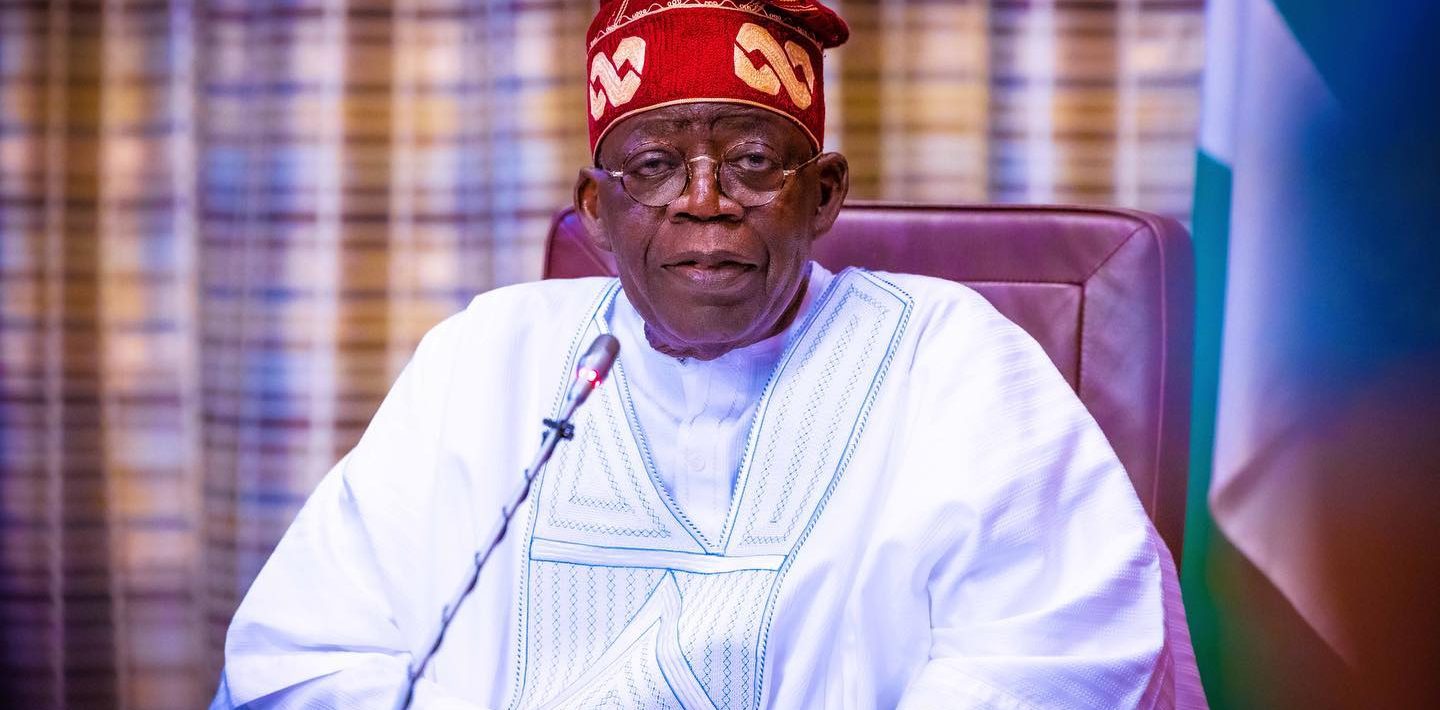
If approved, the facility will become the second largest single World Bank loan secured by Nigeria under President Bola Tinubu after the $1.5 billion economic stabilisation facility approved in 2024. It would also push total World Bank loan approvals under the current administration to about $10.6 billion.