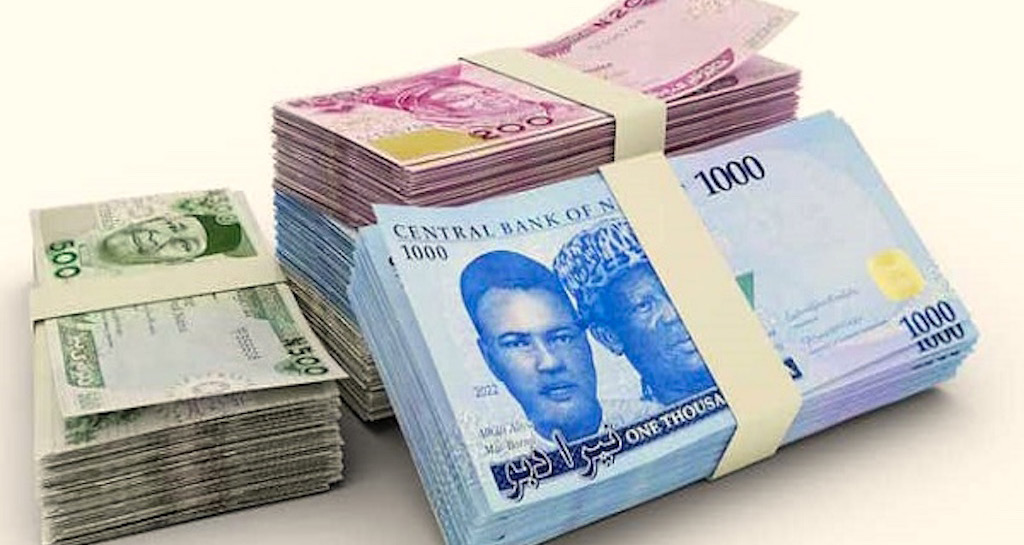

The Nigerian naira extended its slide against the US dollar on Tuesday, touching N1,375 per dollar in the parallel market, as renewed geopolitical strife in the Middle East drove a flight to the world’s reserve currency. The 2.6% decline from Monday’s close of N1,340 underscores the currency’s continued fragility despite recent central bank efforts to clear a backlog of foreign-exchange forwards and tighten monetary policy.
In the official Investors & Exporters (I&E) window, the naira traded at an average of N1,310, widening the spread between the formal and parallel rates to roughly 5%, a threshold often watched as a signal of underlying demand pressure. Market participants told Bloomberg that dollar liquidity remained thin, with total trades falling 18% from the previous session.
“The immediate driver is safe-haven positioning,” said a Lagos-based FX analyst who asked not to be named because he is not authorised to speak publicly. “When tensions rise in the Gulf, emerging-market currencies like the naira and the rand often get hit first. The difference here is that Nigeria still lacks the deep dollar supply to absorb that shock without a sharp price move.
”The latest leg of weakness follows an Israeli airstrike on Iranian diplomatic facilities in Damascus late last week and Tehran’s pledge to retaliate. Brent crude futures, a key benchmark for Nigeria’s export earnings, briefly climbed above $91 per barrel, but the rally failed to boost the naira, a reminder that Nigeria’s limited refining capacity means it remains a net importer of petroleum products, blunting the benefits of higher oil prices.
Traders expect the Central Bank of Nigeria to continue intervening intermittently in the official window. However, with real positive interest rates still elusive, the Monetary Policy Rate stands at 22.75% while inflation hit 31.7% in February, portfolio inflows remain inadequate.
For businesses and individuals, the widening gap between official and parallel rates complicates import planning and raises input costs. The naira has now lost nearly 45% of its value since the central bank unified exchange-rate windows in June 2023. Unless geopolitical tensions de-escalate quickly or significant dollar inflows materialise from oil majors or diaspora remittances, analysts warn that N1,400/$ could be tested within the week.