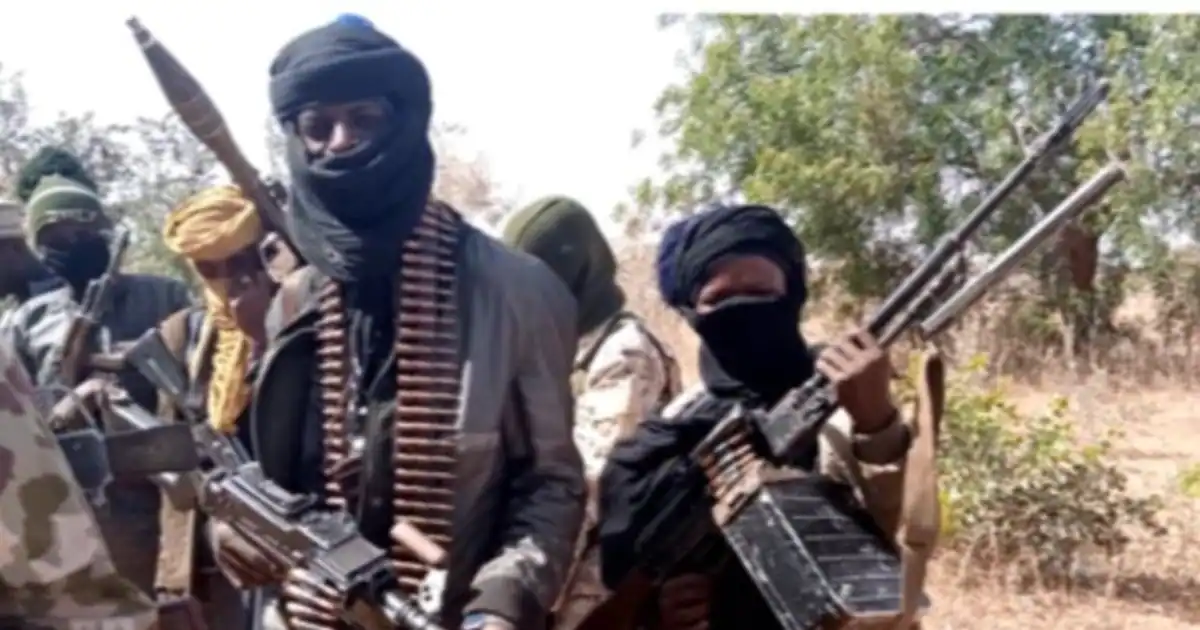

At least 73 people have been abducted following a midnight attack on the villages of Buzugu and Rayau in the Bukkuyum Local Government Area of Zamfara State. The gunmen, said to be armed with sophisticated weapons, stormed the two communities around 2:45 a.m. last Saturday, whisking residents away to an unknown destination.
According to local accounts, the attackers arrived in large numbers on motorcycles and moved swiftly through the villages, breaking into homes and rounding up residents. Panic spread as families fled into nearby bushes, while those unable to escape were taken captive. In the aftermath, the communities have been left deserted, with many fearing a repeat of the assault.
Security forces, alongside local vigilante groups, have reportedly launched a search and rescue operation aimed at tracking down the attackers and freeing the abductees. Reinforcements have also been deployed to the affected areas to prevent further raids and restore calm. However, residents remain on edge, citing repeated attacks in recent weeks and the slow response of security operatives.
The latest abduction adds to a series of violent incidents that have rocked Zamfara State in recent months. Earlier in October, 30 residents were kidnapped in Zamfarawa village, while two councillors and an imam were seized by gunmen in Gusau Local Government Area. In September, five worshippers were killed and several others kidnapped during prayers in Yandoto, Tsafe LGA. The frequency of these incidents has deepened fears that armed bandit groups are regaining strength despite military operations meant to dismantle them.
Over the past decade, Zamfara has been one of the epicentres of the armed banditry crisis that has plagued Nigeria’s northwest region. What began as clashes between herders and farmers over land and water resources gradually evolved into large-scale criminal networks specializing in cattle rustling, extortion, and mass abductions. Villagers have long accused local authorities of neglect and inadequate protection, leading many to form self-defense militias known as “yan sakai.”
The humanitarian toll of the crisis has been devastating. Thousands of residents have been killed or displaced from their homes, while many communities have been forced to pay levies to armed groups to avoid attack. Schools and markets have been shut down in several areas, and farming activities have been severely disrupted — aggravating food insecurity and poverty in the region.
Government responses have included military operations, peace negotiations, and restrictions on fuel sales and mobile networks aimed at limiting the movement of bandits. Yet, despite these measures, the attacks have persisted. Observers attribute this to the rugged terrain of the northwestern forests, the proliferation of illegal arms, and the complex web of economic interests surrounding the conflict, including illegal mining and ransom payments.
In Bukkuyum, the latest target of the violence, local leaders have renewed calls for more permanent security presence and better coordination between the military and community defense groups. Many residents also want the government to address the socio-economic conditions that make the youth susceptible to recruitment by criminal gangs.
As the search continues for the 73 abducted villagers, families wait anxiously for word from authorities. The incident is another stark reminder of the fragile state of security in Zamfara and across much of northwestern Nigeria, where rural communities remain caught in the crossfire of a conflict that shows little sign of ending soon.
For the people of Buzugu and Rayau, last Saturday’s attack is not just another episode of violence — it is a devastating disruption of everyday life and a grim symbol of a crisis that has become tragically routine.