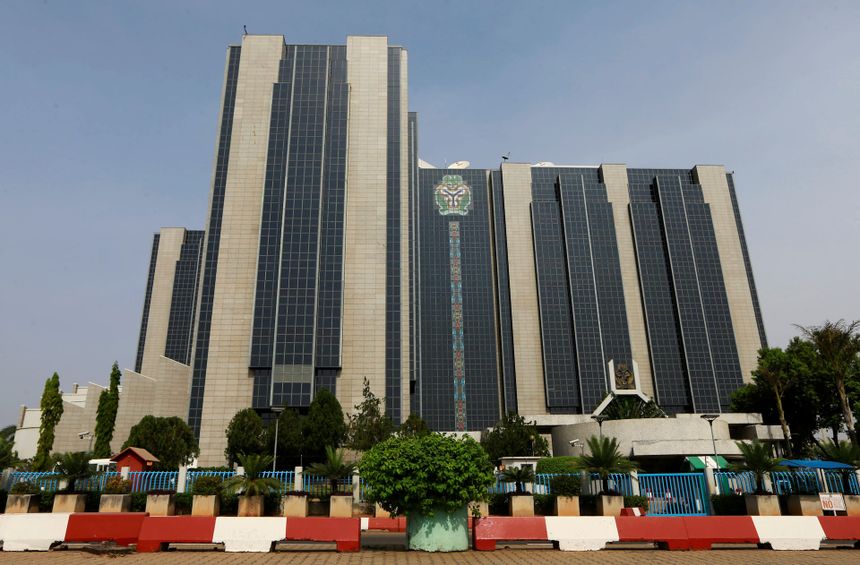

The Central Bank of Nigeria (CBN) has issued a fresh warning to Nigerians about a rising wave of online scams designed to steal personal banking details. The apex bank said fraudsters are circulating deceptive messages containing harmful links aimed at gaining access to individuals’ financial information.In a statement released on April 21, 2026, the bank explained that these scams often appear as emails, text messages, or online posts that look legitimate. However, their real purpose is to trick people into clicking links that compromise their bank accounts.
According to the bank, “These fraudulent messages, which prompt recipients to click links, peddle false information about the Bank’s leadership, licensing, and policy issues, and are intended to hack personal accounts.” The warning comes at a time when cyber threats are becoming more frequent in Nigeria, especially against public institutions and digital platforms. The scammers typically disguise their messages to look like official communication from the Central Bank or other trusted organisations, making it harder for unsuspecting individuals to detect the fraud.
To protect the public, the apex bank emphasised that its official website remains the only reliable source for accurate and verified information. It urged Nigerians to be cautious and avoid engaging with suspicious links or messages, no matter how convincing they may seem. It also advised people not to share sensitive personal or financial information online unless they are certain of the source. It stressed the importance of verifying any communication that claims to come from the Central Bank through trusted platforms and recognised media outlets.
This alert follows a recent cybersecurity scare involving the Corporate Affairs Commission, which temporarily shut down its online portal due to a security breach. Reports indicated that the incident may have exposed millions of documents after unauthorised access was detected within its systems. The development highlights growing concerns about cybercrime in Nigeria, particularly as more services move online. Fraudsters are increasingly targeting individuals by exploiting digital communication channels, making awareness and caution more important than ever. Financial experts say users should always double-check website links, avoid clicking unknown URLs, and enable security features such as two-factor authentication where possible. They also recommend regularly monitoring bank accounts for unusual activity.
CBN reiterated its commitment to safeguarding the financial system and urged Nigerians to remain vigilant. By staying alert and following basic online safety practices, individuals can reduce the risk of falling victim to these scams.