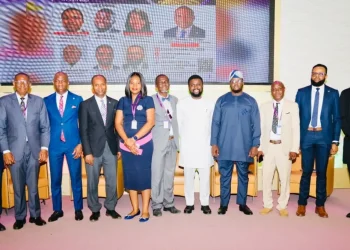

The launch of a new awareness and fundraising campaign by the Lagos Food Bank Initiative (LFBI) has cast a necessary spotlight on the escalating food insecurity crisis gripping Nigeria’s economic hub. Developed in collaboration with the creative agency X3M Ideas, the initiative leverages provocative messaging to confront the stark reality of chronic malnutrition among vulnerable populations. As inflation continues to erode the purchasing power of low-income households, such interventions are becoming increasingly critical to maintaining the social stability required for sustainable economic growth.
The central analytical focus of this campaign lies in its ability to translate the physical manifestations of hunger into a call for urgent fiscal intervention. By subverting traditional fitness culture slogans such as “Killer Abs” and “Dangerous Curves,” the campaign recontextualizes these phrases as the visible, life-threatening markers of starvation. From an economic perspective, chronic hunger represents a profound drain on Nigeria’s productivity, leading to increased healthcare costs and a significant reduction in the efficiency of the urban labor force. When a substantial portion of the population faces malnutrition, the resulting loss in human capital potential can stifle GDP growth across key service and industrial sectors.
Michael Sunbola, Executive Director of the Lagos Food Bank, emphasized that the campaign is designed to break the public’s desensitization to local poverty. This psychological shift is essential for mobilizing private sector funding and individual donations, which act as vital supplements to state-led welfare programs. In a period where fiscal policy remains tight and government resources are stretched, the role of non-governmental organizations in providing immediate relief cannot be overstated. The collaboration with X3M Ideas, led by Steve Babaeko, demonstrates how corporate creative energy can be pivoted toward social responsibility to drive philanthropic investment.
The campaign’s rollout across digital and out-of-home platforms serves as a direct appeal for community-funded social safety nets. By facilitating donations through accessible banking channels like Kuda Bank, the initiative streamlines the process of wealth redistribution from the affluent to the food-insecure. This micro-level fiscal activity is a crucial component of urban economic resilience, ensuring that the most marginalized citizens remain integrated into the social fabric.
Ultimately, the success of this campaign will be measured by its ability to convert awareness into tangible food security outcomes. As Lagos continues to navigate a complex inflationary environment, the synergy between creative advocacy and charitable action provides a necessary buffer against the most severe effects of the economic downturn. The initiative reinforces the outlook that addressing immediate nutritional needs is not just a humanitarian obligation but a strategic economic necessity for the long-term prosperity of the state.