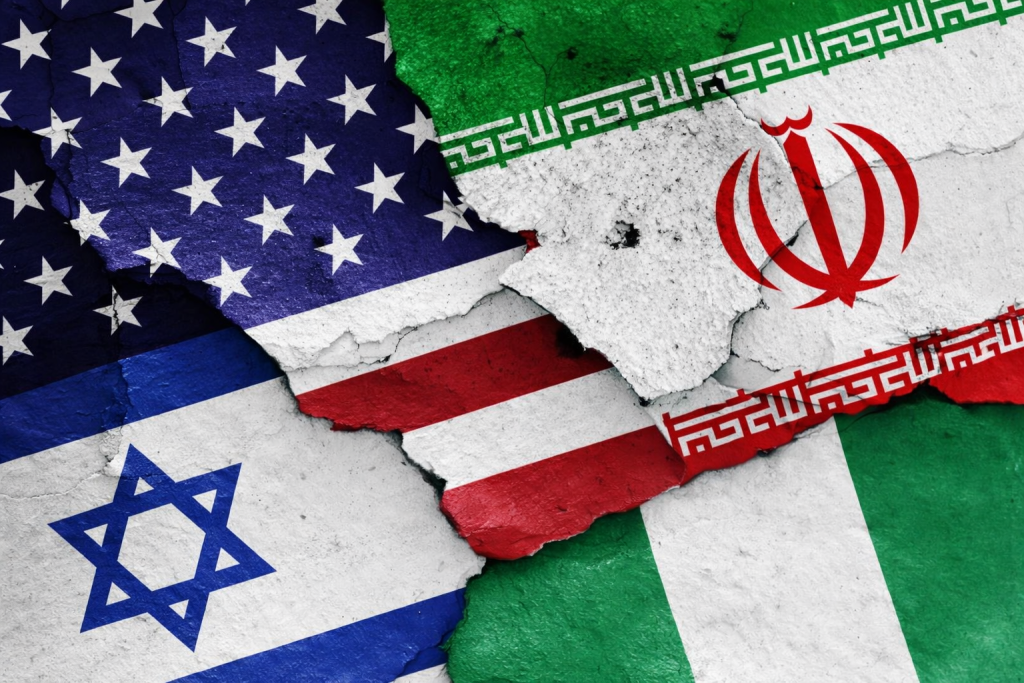

The war between the United States and Iran is sending shockwaves through Nigeria’s digital infrastructure sector, with rising energy costs and growing threats to global data centers highlighting the country’s deep dependence on external compute infrastructure, experts have warned. The conflict has pushed crude oil prices to between $110 and $113 per barrel, driving up fuel prices in Nigeria to between N1,300 and N1,450 per litre and intensifying cost-push pressures across the economy.
Alago Tanimila, an energy expert, said when global energy markets become unstable, operating costs for computer infrastructure rise, particularly in emerging markets like Nigeria where electricity systems are already fragile. He noted that for a digital economy only just beginning to reach sustainable profitability, such shocks become a significant distraction. Energy volatility affects digital infrastructure at its core, as data centers, cloud clusters, and telecommunications networks depend on stable and predictable power supply.
The deeper signal from the conflict, analysts said, lies in reports that a data center facility in the Gulf may have been targeted during the escalation, drawing the attention of the global digital infrastructure industry. Historically, wartime attacks focused on pipelines, refineries, ports, and transportation networks. In the computer era, however, the strategic map is expanding. Data centers, the power infrastructure that supports them, and the fiber networks that carry global internet traffic are increasingly seen as critical assets. In a digital economy, compute is strategic infrastructure, IT experts said, as financial systems, logistics networks, energy markets, public services, and communications platforms all depend on digital infrastructure operating continuously and securely.
For Nigeria, this war reinforces a structural reality that industry leaders have been discussing for years: the country remains deeply dependent on external compute infrastructure. Nigerian enterprises generate data locally but often process and store it abroad. Streaming platforms consumed across Nigerian markets frequently rely on caching systems located outside the country. Even some government services depend on foreign cloud clusters. Africa is increasingly connected to the global internet, but much of the infrastructure that powers its digital economy sits elsewhere.
Geopolitical shocks therefore have the potential to ripple through Nigerian digital systems in unexpected ways. A disruption affecting data centers or cloud regions outside the continent can quickly impact services used across African markets. Likewise, volatility in global energy markets can increase the cost of operating the infrastructure that does exist locally. This is why discussions about data sovereignty, traffic localisation, and domestic hosting capacity are gaining urgency among stakeholders. The objective is not digital isolation, as global cloud platforms and international connectivity remain essential to Nigeria’s growth, but the current geopolitical environment highlights the importance of building greater regional resilience in digital infrastructure.