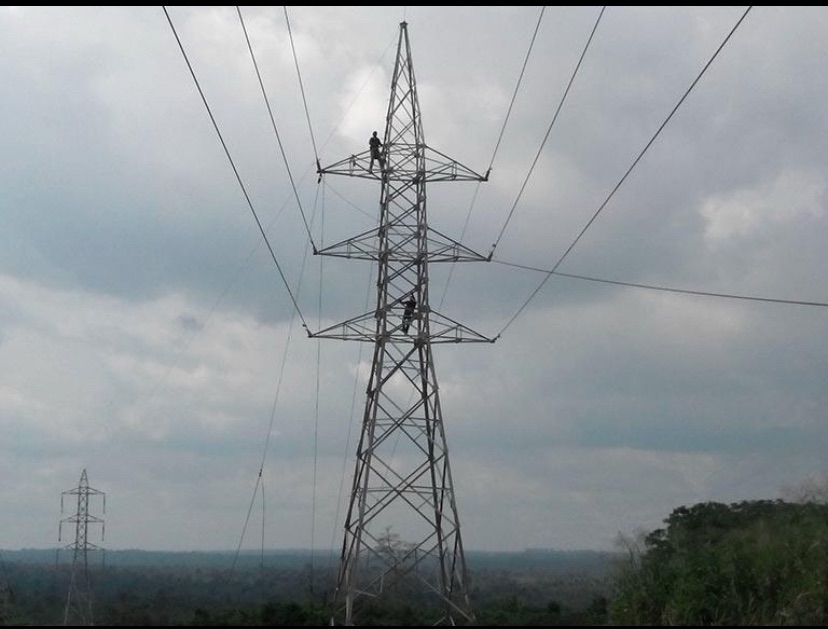

Nigeria’s electricity sector continues to struggle as power generation dropped sharply, worsening concerns over unstable electricity supply across the country.
Fresh data released by the Nigerian Independent System Operator (NISO) showed that electricity generation fell to 3,527.76 megawatts (MW) on Thursday. This represents a decline of 877.28MW or nearly 20 percent compared to the 4,405.04MW recorded the previous day.
The development means many Nigerians and businesses may continue to experience poor and inconsistent power supply at a time when the cost of running generators and alternative energy sources remains very high.
Industry stakeholders have blamed the worsening situation on weak infrastructure, poor gas supply, financial problems, and years of policy failures in the power sector.
Experts warned that unless urgent steps are taken to address the challenges facing the sector, Nigeria’s electricity crisis could become even worse.
According to them, the country’s transmission facilities are old and overstretched, while gas supply problems continue to limit the ability of power generation companies to produce enough electricity for the national grid.
Energy economist, Professor Wumi Iledare, said the power sector is facing a deep financial crisis that has affected every part of the electricity value chain.
He explained that over N4 trillion in unpaid debts has continued to create serious problems for power generation companies (GenCos), electricity distribution companies (DisCos), gas suppliers, and the Nigerian Bulk Electricity Trading company (NBET).
Iledare stated that most government interventions so far have only provided temporary relief instead of fixing the root causes of the crisis.
According to him, repeated financial support from the Central Bank of Nigeria (CBN), guarantees, and subsidies have failed to solve the structural problems affecting the sector.
He stressed that Nigeria must adopt a more realistic electricity pricing system where tariffs reflect actual production costs while targeted subsidies are provided for vulnerable consumers.
He also called for stronger market discipline, improved governance, and major reforms to restore confidence in the sector.
Similarly, the Chief Executive Officer of the Centre for the Promotion of Private Enterprise (CPPE), Muda Yusuf, described the power sector as one of the biggest challenges facing Nigeria’s economic reform efforts.
Yusuf noted that despite several reforms introduced over the years, the sector is still battling deep financial, operational, and governance problems.
He identified tariff distortions, weak investor capacity, poor transmission infrastructure, and liquidity shortages as major obstacles slowing down progress in the industry.
According to him, the government has found it difficult to fully implement cost-reflective electricity tariffs because of public resistance and the economic hardship currently facing Nigerians.
He explained that this has increased the sector’s dependence on subsidies and widened the financing gap.
Yusuf added that government intervention remains necessary in the short term to prevent a complete collapse of the electricity system and maintain supply across the country.
Many businesses have continued to complain that unstable electricity supply is increasing operating costs and reducing productivity, while households also struggle with frequent blackouts and rising energy expenses.
Analysts believe that without serious reforms and long-term investment in infrastructure, Nigeria’s power sector may continue to face recurring crises despite repeated government interventions.