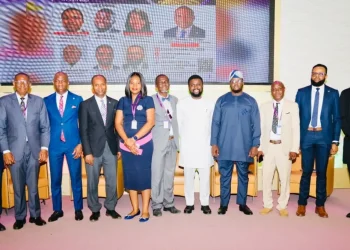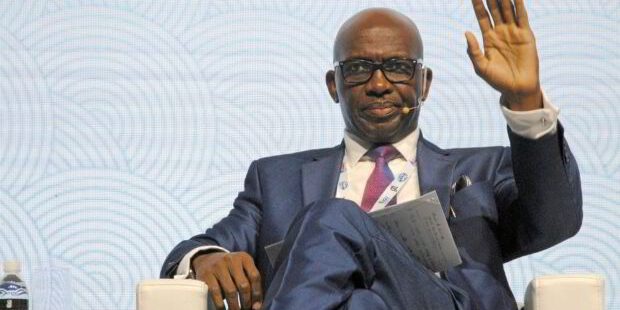

The managing director of Renaissance Africa Energy Company Limited, Engr. Tony Attah, has stated that the transition through divestment is showing value in Nigeria’s oil and gas sector, with more than 50 per cent of Nigerian crude oil production now associated with independents. Speaking at the Nigerian Content Academy Lecture titled “Finding Funds for Effective and Efficient Local Content Initiatives – IPPG Perspective,” Attah projected that five big Nigerian independent oil companies will emerge in the next ten years.
Attah, a former managing director of Nigeria LNG Limited and Shell Nigeria Exploration and Production Company, predicted that many indigenous oil and gas operators in Nigeria will, within the next decade, consolidate strategically and form consortiums to take advantage of emerging opportunities. He expressed happiness at the significant growth in the operational and funding capacities of indigenous operating companies, which has resulted in their successful acquisition and operation of fields recently divested by international operating companies.
“When IOCs leave matured basins in other climes, international independents take over from them. But Nigerian independents take over in Nigeria. That transition is showing value today. More than 50 per cent of Nigerian crude oil production is associated with independents. I see a future where more Nigerian independents would have to consolidate,” Attah said, noting that Renaissance and Seplat are already established and that consolidation would need to occur among others to create three to five major independent players.
Attah shared insight on the successful formation of Renaissance Energy by a consortium of four Nigerian and one international company: ND Western Limited, Aradel Energy Limited, Waltersmith Petroleum Development Company Limited, First Exploration and Petroleum Development Limited, and Petrolin Trading Limited. He attributed the success of the deal to enduring collaboration, tenacity, and ambition among the founding companies.
He also outlined veritable funding mechanisms for African energy sector players, including capital markets and stock exchange listing, private equity and Eurobond, strategic partnerships and joint venture structures, prepayment and offtake financing, and bank facilities. Professor Babs Oyeniyi, participating from Edinburgh, questioned why Nigeria’s oil and gas industry appears stuck with retired industry employees continually invited to provide critical services.